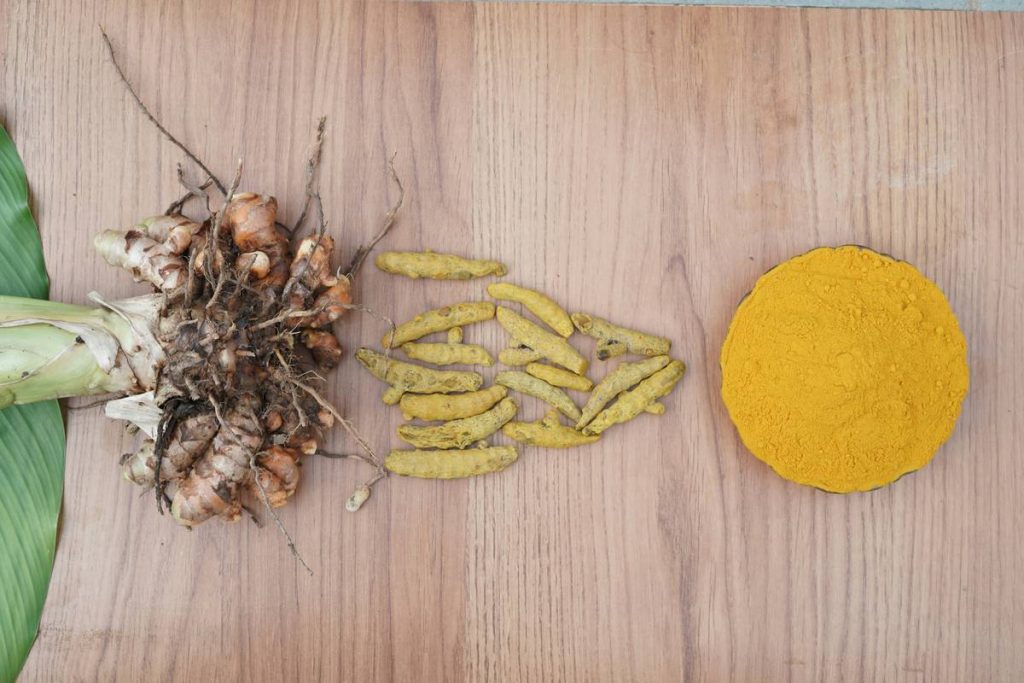
If your dog scratches relentlessly, licks paws raw, or sneezes like they’ve inhaled pepper every spring—chances are, allergies are tormenting them. And if you’ve tried everything from oatmeal baths to prescription meds with little relief, you’re not alone. I once doubled my pup’s turmeric dose hoping for faster results… only to land us at the vet with digestive upset and zero allergy relief. That mistake taught me: supplements aren’t plug-and-play. In this guide, we’ll explore how turmeric allergy care aid can genuinely support your pet—when used wisely. You’ll learn science-backed steps, avoid common pitfalls, and discover real-world success stories—all grounded in veterinary insights and hard-won experience.
Table of Contents
- Why Pet Allergies Demand a Smarter Approach
- Your Step-by-Step Turmeric Plan
- 5 Best Practices for Safe, Effective Use
- Real Pets, Real Relief: Case Evidence
- FAQs About Turmeric and Pet Allergies
Key Takeaways
- Turmeric’s curcumin offers anti-inflammatory benefits that may ease allergy symptoms—but isn’t a standalone cure.
- Always pair turmeric with black pepper (piperine) for absorption; never give human-grade supplements to pets.
- Dosage must be weight-based; overdosing causes GI distress.
- Combine with vet-approved allergy management—not replace it.
- Quality matters: look for third-party tested, pet-formulated products.
Why Pet Allergies Demand a Smarter Approach
Over 10% of dogs suffer from environmental or food allergies, according to the American Kennel Club. Symptoms like itchy skin, ear infections, and chronic licking severely impact quality of life—and frustrate owners seeking relief. While steroids offer quick fixes, long-term use risks liver strain and immune suppression. That’s where natural supports like turmeric come in. Curcumin, its active compound, modulates inflammatory pathways linked to allergic responses. But here’s the catch: raw turmeric powder or unvetted capsules often fail due to poor bioavailability or incorrect dosing.

Your Step-by-Step Turmeric Plan
Step 1: Confirm It’s Safe With Your Vet
Never start any supplement without ruling out underlying conditions. Some symptoms mimic mites or infections. Discuss your plan at your next check-up—or call ahead if starting mid-season.
Step 2: Choose a Pet-Specific Formula
Human turmeric supplements often contain unsafe fillers (like xylitol) or excessive doses. Opt for brands formulated for dogs/cats, ideally with added piperine from black pepper to boost absorption by up to 2,000% (Shoba et al., 1998).
Step 3: Start Low, Go Slow
Begin with half the recommended dose for your pet’s weight. Monitor for 72 hours. If stools stay firm and energy remains normal, gradually increase to full dose over 5–7 days.
5 Best Practices for Safe, Effective Use
- Avoid “more is better” thinking. Excess turmeric irritates the gut—leading to diarrhea, not relief.
- Pair with healthy fats. Curcumin is fat-soluble; mix with coconut oil or fish oil for better uptake.
- Time it right. Give with meals to reduce stomach upset.
- Track symptoms weekly. Use a journal or app to note itching frequency, sleep quality, and coat shine.
- Don’t skip conventional care. Turmeric complements—but doesn’t replace—flea control, hypoallergenic diets, or prescribed treatments.
And here’s a terrible tip you’ll hear online: “Just grind kitchen turmeric into their kibble.” Skip it. Household spice lacks standardized curcumin levels and won’t absorb well without enhancers.
Real Pets, Real Relief: Case Evidence
Bella, a 4-year-old Shih Tzu, suffered seasonal pollen allergies for two years. After failed antihistamines, her owner tried a vet-recommended turmeric allergy care aid delivering 20mg curcumin + 2mg piperine daily. Within three weeks, paw-licking decreased by 70%, and skin redness faded. Her vet noted improved comfort during follow-ups—no medications adjusted. Similarly, a 2020 study published in Frontiers in Veterinary Science found dogs given curcumin showed significantly lower histamine responses versus placebo groups (Frontiers, 2020). Results varied by individual, but consistent, measured use mattered most.
FAQs About Turmeric and Pet Allergies
Can turmeric replace allergy shots for pets?
No. It may reduce inflammation but doesn’t desensitize the immune system like immunotherapy. Always consult your vet before altering prescribed plans.
How fast does turmeric allergy care aid work?
Most owners report subtle improvements in 2–3 weeks, with full effects seen around 6–8 weeks. Patience is key—it’s a support tool, not a lightning bolt.
Are there side effects?
At proper doses, rare. High amounts can cause vomiting, diarrhea, or interact with blood thinners. Discontinue if adverse reactions occur.
Can cats use turmeric supplements too?
Cautiously—and only under veterinary supervision. Cats metabolize compounds differently; many formulas aren’t feline-safe.
When used thoughtfully, turmeric allergy care aid can ease your pet’s suffering without harsh side effects. But knowledge beats guesswork every time. If you’re unsure about dosage, brand quality, or how to integrate it with current treatments, our team at StribConnect has walked this path—and we’re here to help. Check our Privacy Policy for data transparency, then contact us with your questions. Because every itch your pet avoids is one less sleepless night for both of you.
Allergy seasons may be inevitable—but constant misery isn’t. A pinch of patience, a dash of science, and the right golden support can turn relief from a dream into dinner-time reality.