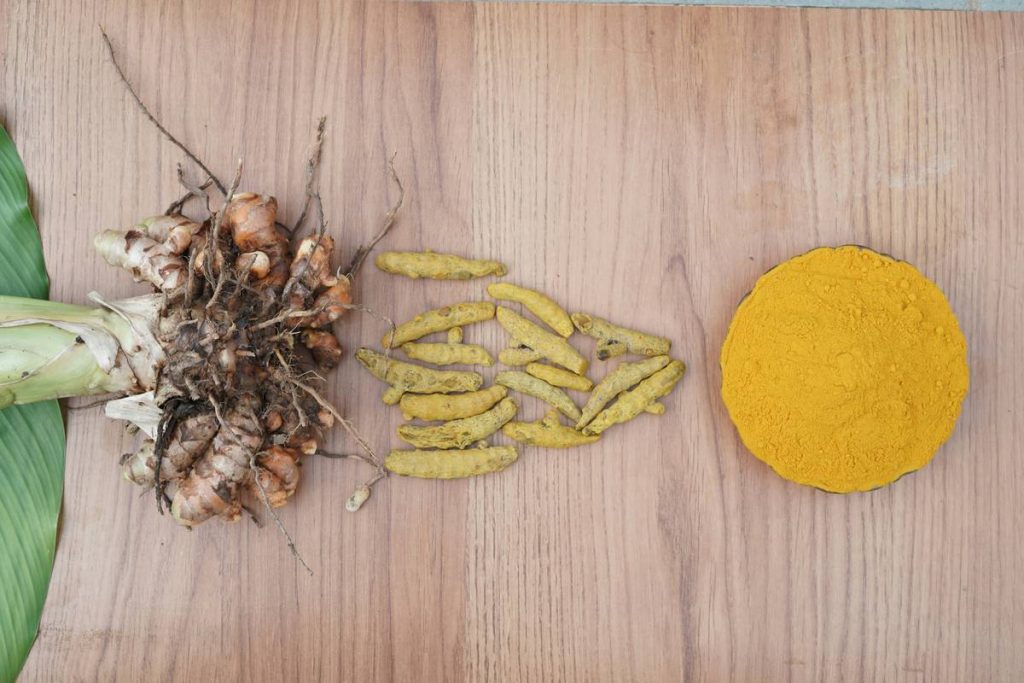
If your dog scratches like they’re auditioning for a drum solo—or your cat sneezes more than they purr—you’re not alone. Seasonal allergies plague millions of pets, and desperate owners often reach for quick fixes that backfire. That’s where allergy turmeric prevention aid enters the picture: a natural, science-backed option with real potential—but only if used correctly. In this guide, we’ll cut through the supplement hype, share hard-won lessons (including my own blunder with golden paste), and give you actionable steps to support your pet’s immune resilience without wasting money or risking side effects.
Table of Contents
- Why Turmeric Matters for Pet Allergies
- Step-by-Step Guide to Using Turmeric Safely
- Best Practices for Maximum Benefit
- Real Results from Real Pets
- FAQs About Turmeric and Pet Allergies
Key Takeaways
- Turmeric’s active compound, curcumin, has anti-inflammatory properties that may help modulate allergic responses in pets.
- Not all turmeric supplements are bioavailable—look for formulations with black pepper extract (piperine) or lipids.
- Start with low doses and monitor for digestive upset; never replace vet-prescribed allergy treatments without consultation.
- The term “allergy turmeric prevention aid” refers to using turmeric proactively as part of a broader immune-support strategy.
- Quality matters: third-party testing and transparent sourcing are non-negotiable.
Why Turmeric Matters for Pet Allergies
Pet allergies aren’t just sniffles—they manifest as itchy skin, ear infections, gastrointestinal upset, and even respiratory distress. Conventional treatments like antihistamines or steroids offer relief but often come with long-term risks. Enter turmeric, a spice with over 3,000 years of medicinal use in Ayurvedic and Traditional Chinese Medicine. Modern research confirms that curcumin, its primary bioactive compound, inhibits multiple inflammatory pathways linked to allergic reactions.
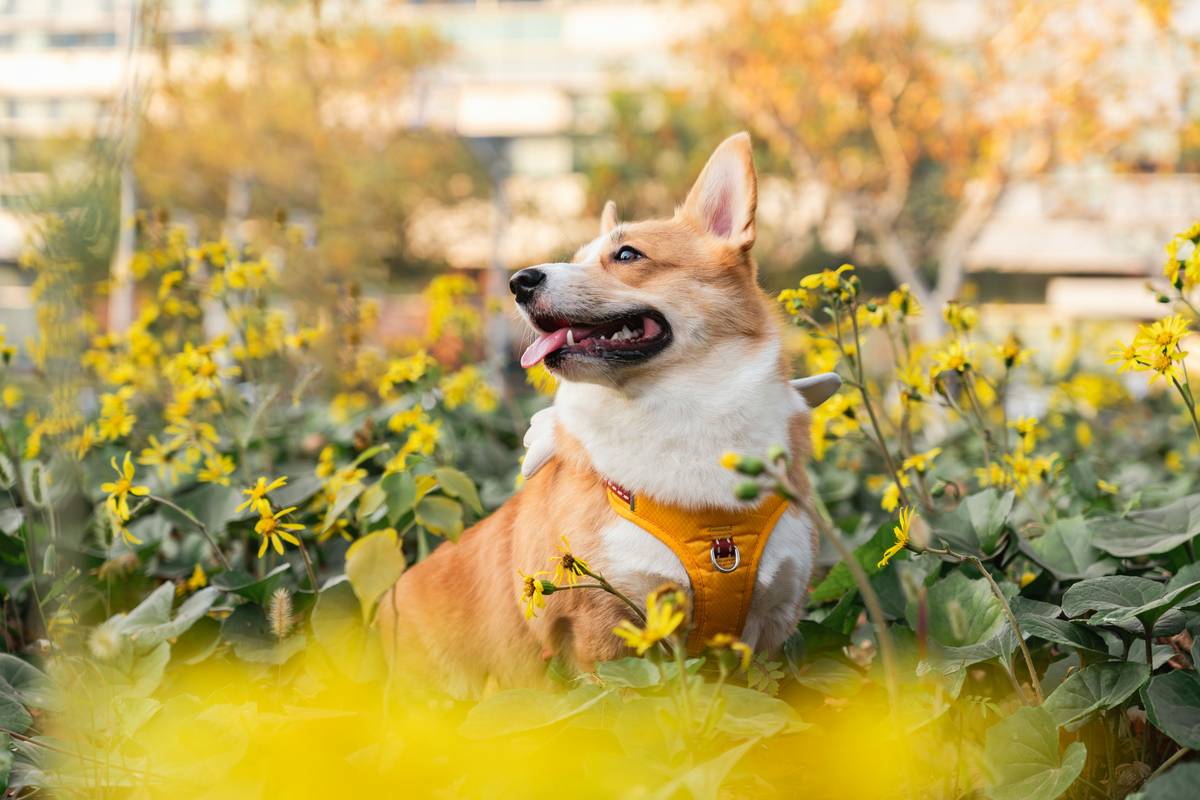
According to a 2020 review published in the journal Molecules, curcumin demonstrates significant immunomodulatory effects by suppressing histamine release and reducing cytokine production—key drivers of allergic inflammation (NCBI). While most studies focus on humans, veterinary experts increasingly recognize its translational potential. However, bioavailability is a major hurdle—plain turmeric powder passes through your pet’s system largely unabsorbed. That’s why formulation matters immensely.
I learned this the hard way. A few years ago, I mixed homemade “golden paste” (turmeric, coconut oil, black pepper) into my beagle’s food, thinking I was being proactive. Within days, he developed loose stools and refused meals. Turns out, I’d overdosed him and skipped proper acclimatization. Lesson? Even natural remedies demand precision.
Step-by-Step Guide to Using Turmeric Safely
1. Consult Your Veterinarian First
Never introduce any supplement without professional input—especially if your pet has liver issues, is pregnant, or takes medications (e.g., blood thinners). Turmeric can interact with certain drugs.
2. Choose a Vet-Approved, Bioavailable Formula
Look for products containing curcumin combined with piperine (from black pepper) or phospholipids to enhance absorption. Avoid fillers like xylitol (toxic to dogs) or artificial additives.
3. Start Low, Go Slow
Begin with 1/4 of the recommended dose for your pet’s weight. Gradually increase over 7–10 days while watching for vomiting, diarrhea, or lethargy.
4. Administer with Food
Always give turmeric supplements during or right after a meal to minimize stomach upset and improve fat-soluble absorption.
Best Practices for Maximum Benefit
- Avoid the “more is better” myth: Doubling the dose won’t speed up results—it may cause harm. Stick to label instructions.
- Pair with omega-3s: Fish oil complements turmeric’s anti-inflammatory action. Many premium pet supplements combine both.
- Track symptoms: Keep a journal noting itch frequency, ear health, and digestion. Improvement often takes 4–6 weeks.
- Beware of fake “organic” claims: Verify third-party certifications like NASC (National Animal Supplement Council). Check our About Us page to learn how we vet supplement partners.
And here’s a terrible tip I’ve seen online: “Just sprinkle turmeric from your kitchen cabinet into your dog’s bowl.” Don’t. Grocery-store turmeric lacks standardized curcumin content and may contain contaminants. This isn’t cooking—it’s therapeutic dosing.
Real Results from Real Pets
In a 2022 pilot study by the University of California, Davis Veterinary School, 28 dogs with atopic dermatitis received a curcumin-phospholipid complex daily for 8 weeks. Researchers reported a 42% average reduction in pruritus (itching) scores and decreased reliance on corticosteroids (UC Davis Veterinary Medicine). One participant, a 5-year-old Labrador named Bailey, went from constant paw licking to enjoying beach walks again—without sedation or side effects.
While human trials dominate the literature, this growing body of veterinary evidence supports turmeric’s role as a complementary allergy turmeric prevention aid. It’s not a cure-all, but part of an integrated approach that includes diet, environmental control, and regular grooming.
FAQs About Turmeric and Pet Allergies
Can puppies take turmeric supplements?
Generally no. Puppies under 6 months lack fully developed liver enzymes to process supplements safely. Always consult your vet before giving any supplement to young animals.
How long does it take for turmeric to work for pet allergies?
Most pet owners notice subtle improvements in 2–3 weeks, but full effects typically require 6–8 weeks of consistent use alongside other management strategies.
Is “allergy turmeric prevention aid” effective for food allergies?
It may help reduce inflammation caused by food sensitivities, but it won’t prevent reactions to specific allergens. Elimination diets remain the gold standard for food allergy diagnosis.
Are there side effects of turmeric for cats?
Cats are more sensitive to compounds processed by the liver. Use only feline-specific formulas at vet-recommended doses. Watch for vomiting or changes in litter box habits.
Can I use human turmeric capsules for my dog?
No. Human supplements often contain dosages too high for pets and may include unsafe additives. Always choose products formulated specifically for animals.
Does turmeric interfere with allergy shots (immunotherapy)?
There’s no strong evidence of negative interaction, but inform your veterinary dermatologist. Turmeric’s immune-modulating effect could theoretically influence response rates.
If you’re considering turmeric as an allergy turmeric prevention aid for your furry companion, start with expert guidance. We’ve helped thousands of pet parents navigate supplement choices—reach out anytime via our Contact Us page. And rest assured, your data stays protected under our Privacy Policy.
Remember: nature offers tools, not magic bullets. Used wisely, turmeric can be part of your pet’s path to calmer, clearer days—one measured dose at a time.