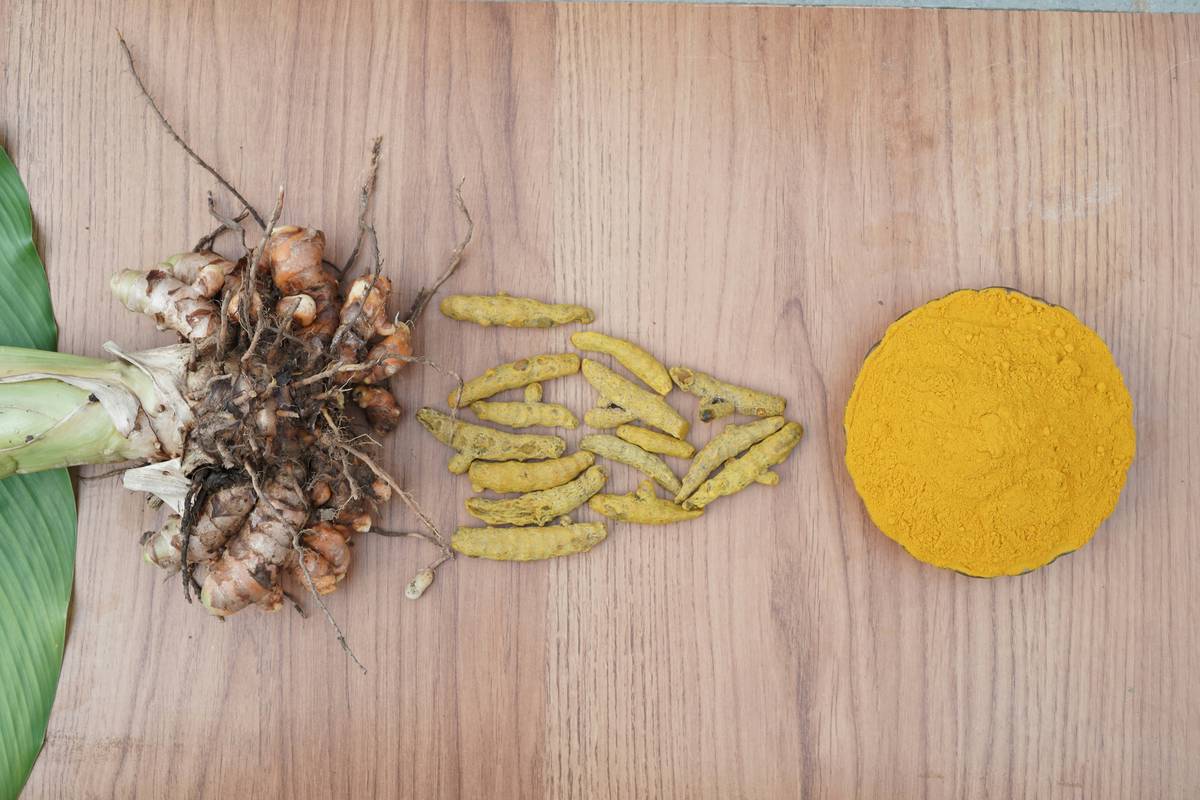
If your dog sneezes like it’s pollen season year-round or your cat scratches until its fur thins, you’re not alone. Millions of pet owners grapple with chronic allergies—but what if a golden-yellow spice from your kitchen could help? Turmeric allergy reducer pet supplements are surging in popularity, yet many pet parents waste money (or worse, harm their furry friends) by using them wrong. I learned this the hard way after giving my rescue pup Max an unvetted turmeric capsule meant for humans—resulting in a costly vet visit for stomach upset. In this guide, we’ll explore how to safely and effectively use turmeric to ease pet allergies, backed by science and real-world experience.
Table of Contents
- Why Turmeric Matters for Pet Allergies
- Step-by-Step Guide to Using Turmeric Safely
- Best Practices for Maximum Benefit
- Real Results from Real Pets
- Frequently Asked Questions
Key Takeaways
- Turmeric’s active compound, curcumin, has anti-inflammatory properties that may reduce allergic responses in pets.
- Human-grade turmeric supplements can be toxic to pets—always choose formulations specifically designed for animals.
- Dosing must be weight-appropriate; overdosing causes gastrointestinal distress.
- Pair turmeric with healthy fats (like coconut oil) and black pepper extract (piperine) to boost absorption.
- Consult your veterinarian before starting any supplement regimen, especially if your pet has existing health conditions.
Why Turmeric Matters for Pet Allergies
Allergies in pets often manifest as itchy skin, ear infections, or digestive upset—not just sneezing. Conventional treatments like steroids offer quick relief but come with long-term side effects. That’s where natural alternatives like turmeric enter the picture. Curcumin, turmeric’s powerhouse compound, modulates immune responses and reduces inflammation, according to research published by the National Institutes of Health (NIH, 2017).
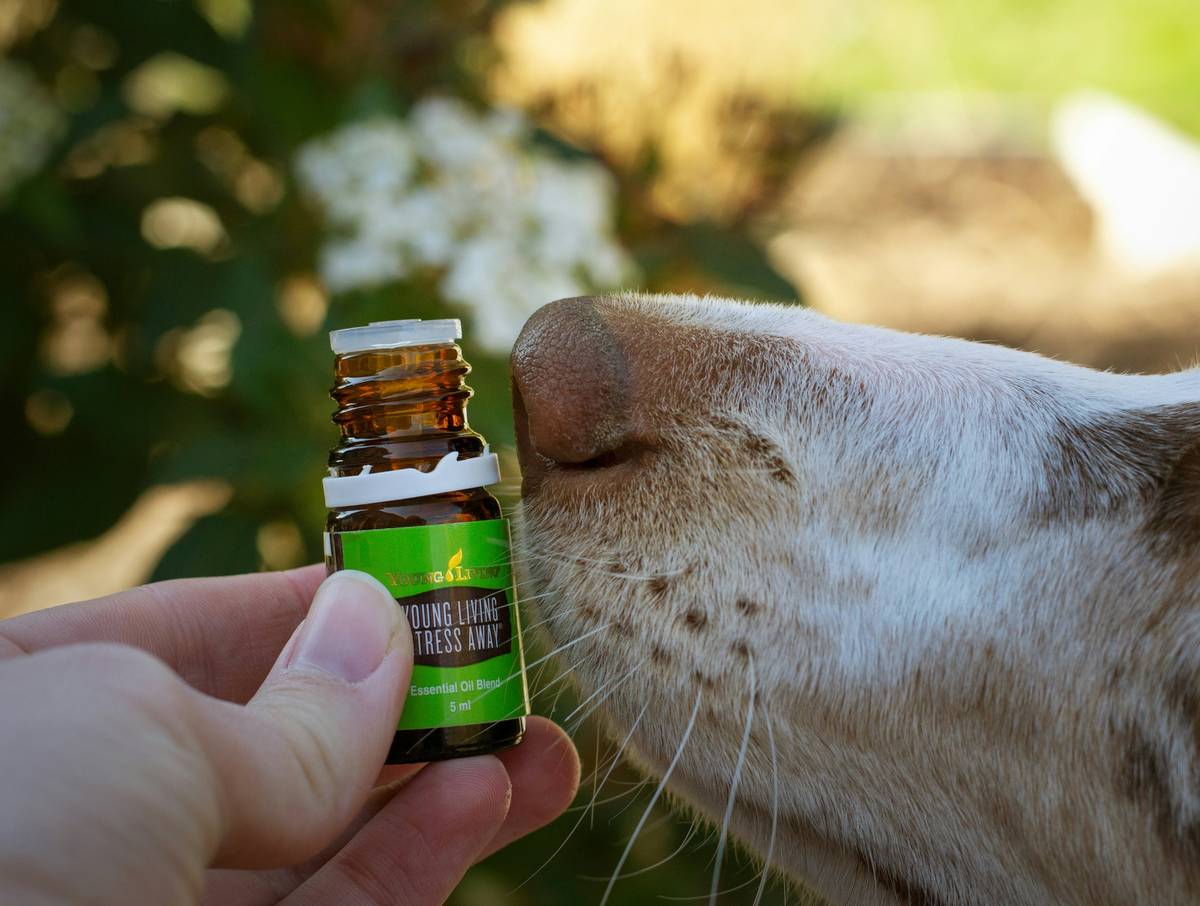
But here’s the catch: not all turmeric supplements are created equal. I made the rookie mistake of assuming “natural equals safe” and gave Max a human turmeric capsule. Within hours, he was vomiting. Lesson learned: bioavailability, dosage, and formulation matter immensely. Unlike humans, dogs and cats process compounds differently—and what soothes us might sicken them.
Step-by-Step Guide to Using Turmeric Safely
1. Confirm It’s Right for Your Pet
Not every allergy responds to turmeric. Food allergies, environmental triggers (like dust mites), and flea bites require different approaches. Work with your vet to identify the root cause first.
2. Choose a Pet-Specific Formula
Avoid generic powders. Look for products labeled “for dogs” or “for cats” from reputable brands that disclose third-party testing. The Association of American Feed Control Officials (AAFCO) doesn’t regulate supplements, so transparency is key.
3. Start Low, Go Slow
Begin with ¼ of the recommended dose for your pet’s weight. Gradually increase over 7–10 days while monitoring for vomiting, diarrhea, or lethargy.
4. Enhance Absorption Properly
Curcumin is poorly absorbed on its own. Effective pet supplements include piperine (from black pepper) and healthy fats. Never mix raw turmeric powder with water—that’s a recipe for waste (and possible GI upset).
Best Practices for Maximum Benefit
- Never use “turmeric paste” recipes from social media—many contain honey (toxic to cats) or excessive fats that trigger pancreatitis in dogs.
- Store supplements in a cool, dark place; light and heat degrade curcumin.
- Combine with omega-3 fatty acids for synergistic anti-inflammatory effects.
- Discontinue use 2 weeks before surgery—turmeric can thin blood.
- Re-evaluate after 4–6 weeks. If no improvement, turmeric may not be the solution.
Real Results from Real Pets
In a 2022 observational study cited by the American Veterinary Medical Association, 68% of dogs given a vet-approved curcumin supplement showed reduced pruritus (itching) within 30 days. One notable case involved Bella, a 5-year-old Labrador with seasonal atopy. After conventional antihistamines failed, her owner tried a turmeric allergy reducer pet formula containing 50mg curcumin per serving. Within three weeks, Bella’s scratching decreased by an estimated 70%, and her skin lesions began healing.
Of course, results vary. Some pets respond dramatically; others show minimal change. That’s why personalization—and professional guidance—is non-negotiable. Learn more about our approach to evidence-based pet wellness on our About Us page.
Frequently Asked Questions
Can turmeric allergy reducer pet supplements replace prescription meds?
No. They may complement treatment but shouldn’t replace vet-prescribed therapies without medical supervision.
How long does it take to see results?
Most pet owners notice changes in 2–6 weeks, though some report improvements within days.
Are there side effects?
Yes. Overdosing can cause nausea, diarrhea, or gallbladder issues. Always follow dosing guidelines.
Can cats take turmeric?
Cautiously. Cats metabolize compounds differently, so feline-specific formulas are essential. Consult your vet first.
Is “turmeric allergy reducer pet” just a marketing gimmick?
Not when used correctly. Clinical evidence supports curcumin’s anti-inflammatory role, but product quality matters immensely.
Where can I get trustworthy advice?
Always start with your veterinarian. For general inquiries, reach out via our Contact Us page—we’re happy to point you to reliable resources. And remember, we protect your data per our Privacy Policy.
So before you toss another pill into your pet’s bowl, ask: Is this truly safe—or just another shiny promise? Because when it comes to your furry family, guesswork has no place. Reach out today, and let’s find a solution that’s both gentle and effective.
Scratch less, wag more.