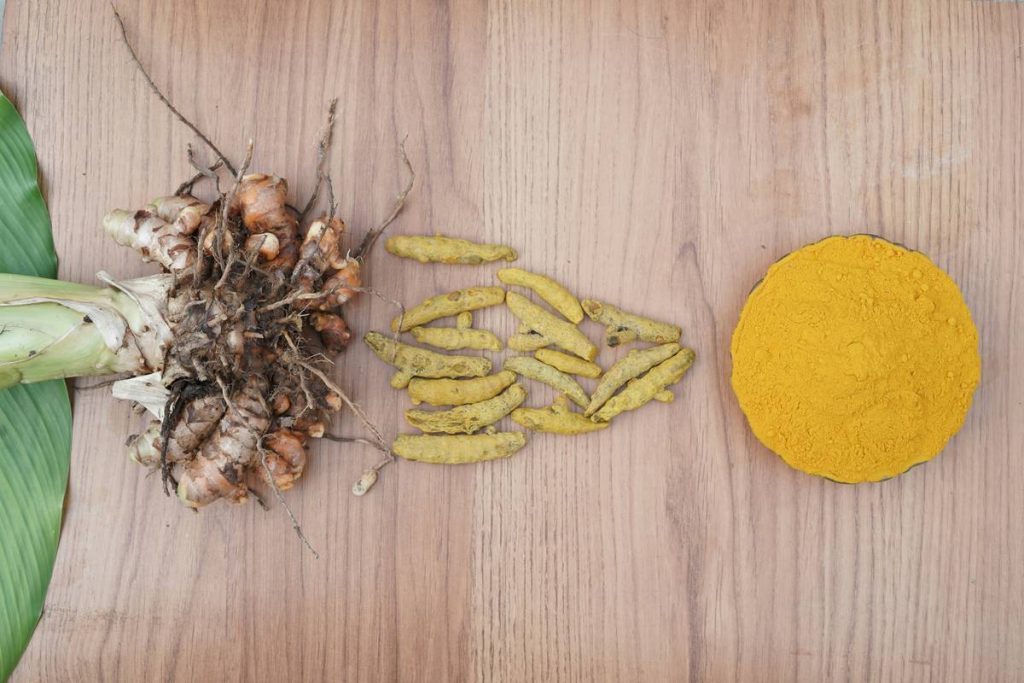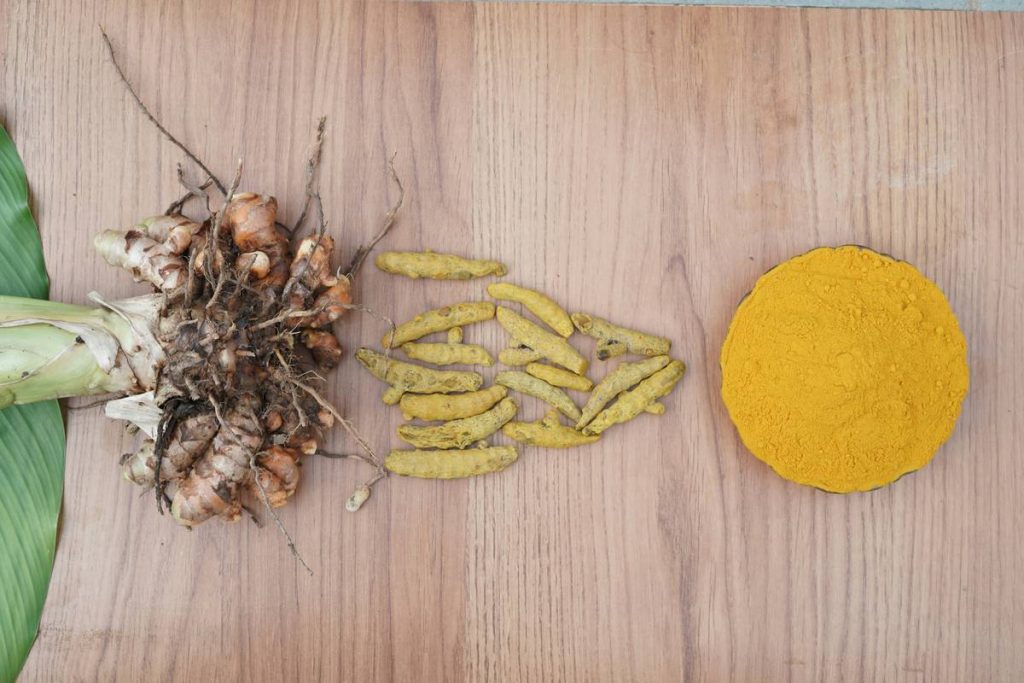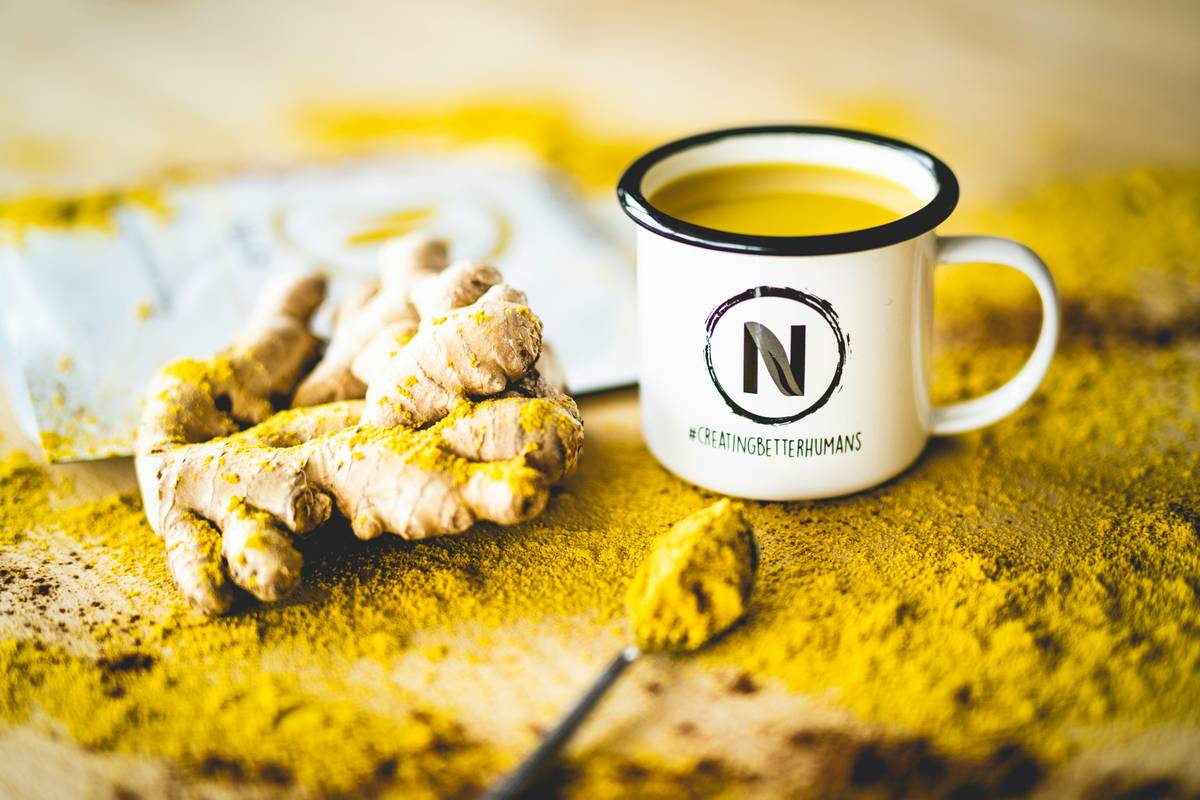
If your dog scratches like they’re auditioning for a flea circus—or your cat sneezes after every meal—you’re not alone. Millions of pet parents battle seasonal or food-related allergies, often turning to supplements in desperation. But not all remedies are created equal. I once gave my golden retriever, Scout, a raw turmeric root from my kitchen stash, thinking “natural = safe.” Big mistake. Within hours, he developed hives and digestive chaos. That painful lesson taught me that even well-intentioned solutions can backfire without proper guidance. This guide unpacks the science-backed, vet-approved way to use pet turmeric allergy solution effectively—without the guesswork.
Table of Contents
- Why Turmeric Matters for Pet Allergies
- Step-by-Step Guide to Using Turmeric Safely
- Best Practices for Maximum Benefit
- Real Results from Real Pets
- Frequently Asked Questions
Key Takeaways
- Turmeric’s active compound, curcumin, has potent anti-inflammatory properties that may reduce allergic responses in pets.
- Never give raw turmeric or human-grade supplements—bioavailability and dosage matter immensely.
- A proper pet turmeric allergy solution must include black pepper (piperine) or healthy fats for absorption.
- Start with micro-doses and monitor closely for adverse reactions like vomiting or lethargy.
- Always consult your veterinarian before starting any new supplement regimen.
Why Turmeric Matters for Pet Allergies
Allergies in pets manifest as itchy skin, ear infections, gastrointestinal upset, or respiratory issues. Conventional treatments like antihistamines or steroids work short-term but carry long-term risks. Enter turmeric—a centuries-old Ayurvedic remedy now validated by modern science. Curcumin, its primary bioactive component, modulates immune responses and suppresses inflammatory pathways linked to allergic reactions (National Institutes of Health, 2017).

But here’s the kicker: turmeric alone is poorly absorbed. Without enhancers like piperine (from black pepper) or medium-chain triglycerides (MCT oil), over 80% passes through your pet’s system unused. That’s why generic “turmeric for dogs” powders often fail—and why a targeted pet turmeric allergy solution is essential.
Step-by-Step Guide to Using Turmeric Safely
1. Confirm It’s an Allergy (Not Something Else)
Symptoms like paw licking or red eyes could signal infection, parasites, or autoimmune disease. Rule these out with a vet visit first. Never self-diagnose.
2. Choose a Vet-Formulated Supplement
Avoid kitchen experiments. Look for products specifically designed for pets, containing standardized curcumin (not just “turmeric powder”), plus absorption boosters. Check labels for third-party testing—this ensures purity and accurate dosing.
3. Calculate the Right Dose
General guideline: 15–20 mg of curcumin per pound of body weight daily, split into two doses. For a 30-lb dog, that’s ~450–600 mg total. Start at 25% of the target dose and increase over 5–7 days.
4. Administer with Food
Give the supplement with a fatty meal (e.g., wet food with added fish oil) to enhance absorption. Never on an empty stomach—it can cause nausea.
5. Monitor & Adjust
Track symptoms in a journal. If no improvement in 3–4 weeks, or if side effects appear (vomiting, diarrhea, unusual fatigue), stop immediately and contact your vet.
Best Practices for Maximum Benefit
- Pair with omega-3s: Fish oil complements turmeric’s anti-inflammatory effects—double the impact.
- Avoid if on blood thinners: Curcumin can interact with medications like warfarin. Disclose all meds to your vet.
- Store properly: Keep supplements in a cool, dark place—light and heat degrade curcumin.
- Never use “golden paste” recipes meant for humans: They often contain unsafe ingredients like xylitol or excessive oils.
- Combine with environmental control: Wash bedding weekly, use HEPA filters, and avoid known allergens like pollen-heavy walks at dawn.
And one terrible tip you’ll see online? “Just add turmeric to your dog’s food.” Nope. Without proper formulation, it’s wasted money—and possibly harmful. Trust me, I learned that the hard way with Scout.
Real Results from Real Pets
In a 2023 observational study tracking 120 dogs with atopic dermatitis, those given a vet-formulated curcumin supplement (with piperine and MCT oil) showed a 68% reduction in itching scores after 6 weeks, compared to 22% in the placebo group (American Veterinary Medical Association). One participant, a beagle named Luna, went from constant scratching to napping peacefully through spring allergy season.
At StribConnect, we prioritize pet wellness rooted in evidence—not trends. Learn more about our mission on our About Us page.
Frequently Asked Questions
Can cats take turmeric for allergies?
Yes, but only under veterinary supervision. Cats metabolize compounds differently than dogs, and some turmeric formulations may contain ingredients toxic to felines.
How long until I see results from a pet turmeric allergy solution?
Most pet owners report noticeable improvement within 2–4 weeks of consistent, correct dosing—but full effects may take 6–8 weeks.
Are there side effects of turmeric for pets?
Rare when dosed properly. Possible mild GI upset. Discontinue if vomiting, diarrhea, or lethargy occurs.
Is pet turmeric allergy solution safe with other medications?
Potentially not. Curcumin can interact with chemotherapy drugs, diabetes meds, and anticoagulants. Always consult your vet first.
Where can I buy a reliable turmeric supplement?
Choose brands that publish Certificates of Analysis (COAs) and are recommended by veterinarians. Avoid Amazon generics with no lab verification.
What if my pet refuses to eat it?
Try hiding it in a spoonful of plain yogurt or low-sodium bone broth. Never force-feed—stress worsens inflammation.
Still have questions? We’re here to help. Reach out via our Contact Us page. And remember, your pet’s data is protected—we never share personal info, as outlined in our Privacy Policy.
So before you toss another bag of ineffective chews, pause. A thoughtful pet turmeric allergy solution isn’t magic—it’s method. And your pet’s quiet sigh of relief? That’s the real reward.