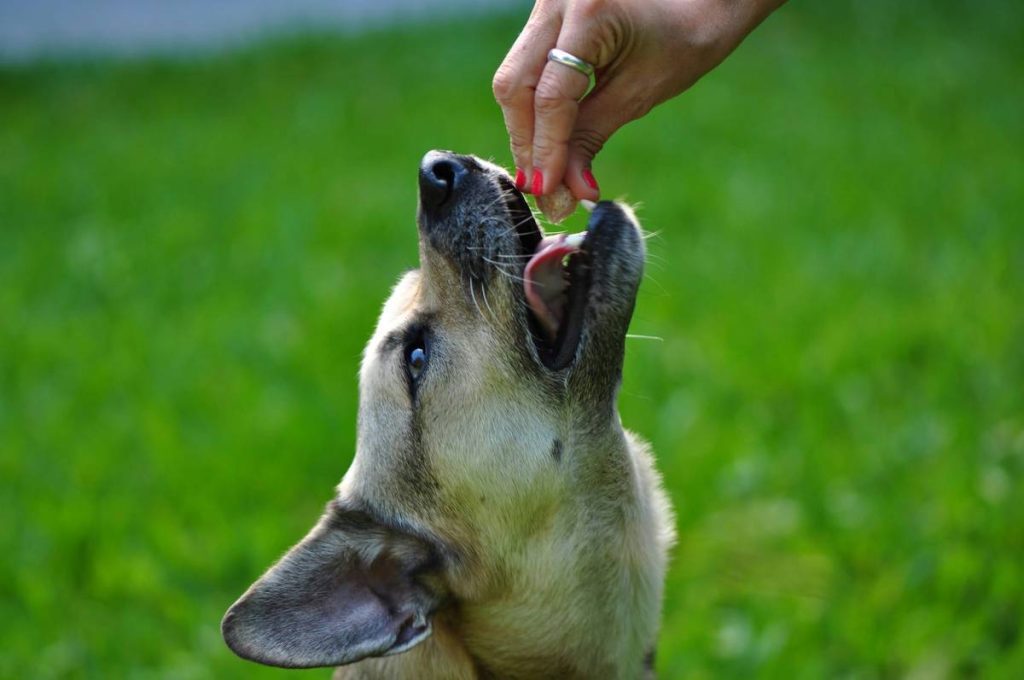
If your dog winces when climbing stairs or your cat hesitates before jumping onto the windowsill, joint discomfort might be stealing their joy—and yours. You’ve probably heard about turmeric supplements touting natural relief, but with so many products (and myths) out there, how do you separate science from sales hype? I’ve been there—pouring golden powder into my rescue pup’s food thinking I was helping, only to realize too late that poor bioavailability meant almost none of it was absorbed. In this guide, we’ll cut through the noise with vet-backed strategies, realistic expectations, and actionable steps to support your pet’s mobility using joint care turmeric relief—the right way.
Table of Contents
- Why Turmeric Matters for Pet Joints
- Step-by-Step Guide to Safe Supplementation
- Best Practices for Maximum Benefit
- Real Results from Real Pets
- Frequently Asked Questions
Key Takeaways
- Turmeric’s active compound, curcumin, has anti-inflammatory properties supported by research—but absorption is key.
- Never give human-grade turmeric supplements to pets; formulations must be pet-specific and vet-approved.
- Consistency and proper dosing over 4–8 weeks are critical for noticeable results.
- Always pair supplementation with weight management, gentle exercise, and veterinary oversight.
Why Turmeric Matters for Pet Joints
Osteoarthritis affects up to 20% of adult dogs and an increasing number of senior cats, causing stiffness, pain, and reduced activity. While NSAIDs offer quick relief, long-term use can strain the liver or kidneys. That’s where natural alternatives like turmeric come in—but not all supplements are created equal.
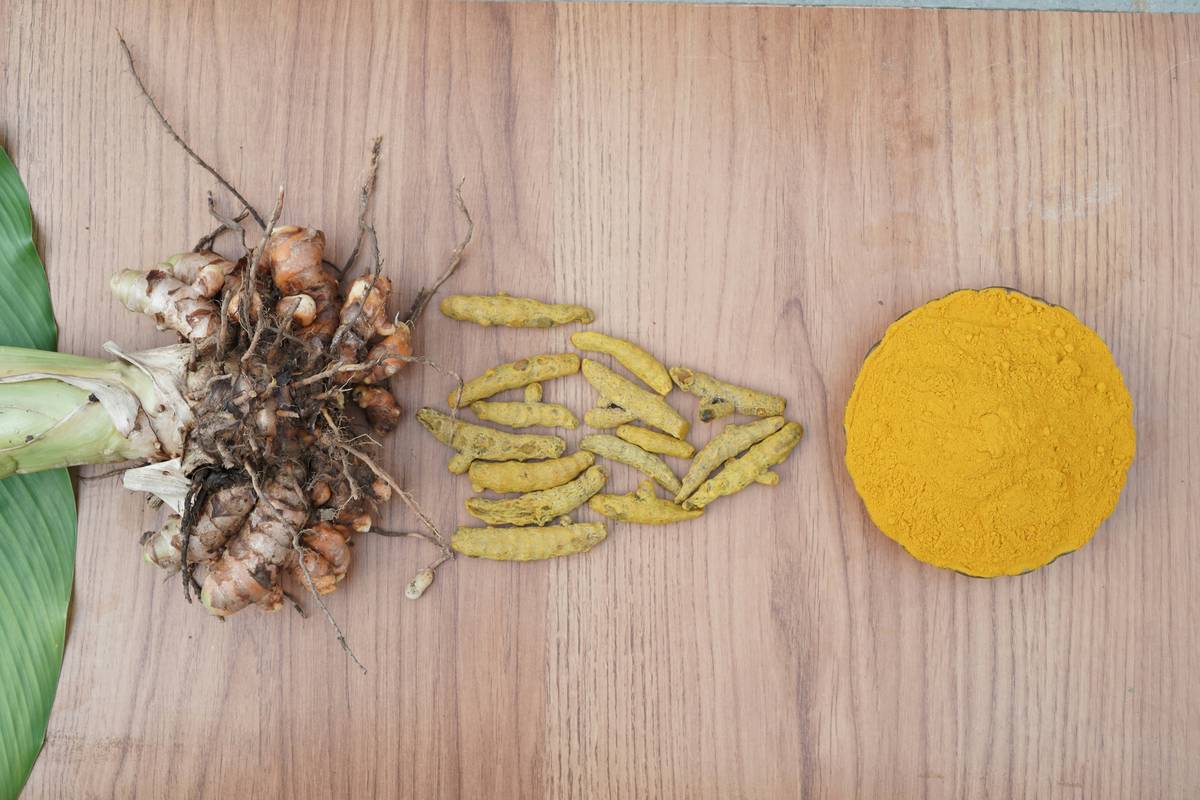
Turmeric contains curcumin, which modulates inflammatory pathways at the molecular level. However, raw turmeric powder has extremely low bioavailability. Without enhanced absorption technology (like liposomal delivery or piperine inclusion), most of it passes through your pet’s system unused. I learned this the hard way when my dog Benny showed zero improvement after two months of kitchen-cabinet turmeric—only after switching to a vet-formulated, bioavailable product did his morning stiffness ease noticeably.
Step-by-Step Guide to Safe Supplementation
1. Consult Your Veterinarian First
Before giving any supplement, rule out underlying conditions. Some joint issues mimic pain but stem from neurological or autoimmune disorders. Your vet can confirm if joint care turmeric relief is appropriate.
2. Choose a Pet-Specific Formula
Hunt for products labeled explicitly for dogs or cats, with transparent ingredient lists. Look for third-party testing seals (like NASC or NSF) and avoid fillers like xylitol (toxic to dogs) or excessive artificial additives.
3. Start Low, Go Slow
Begin with half the recommended dose for the first week to monitor for digestive upset. Gradually increase while watching for soft stools or vomiting—a sign the formula isn’t agreeing with your pet.
4. Administer with Healthy Fats
Curcumin is fat-soluble. Give the supplement with a meal containing omega-3s or coconut oil to boost absorption significantly.
Best Practices for Maximum Benefit
- Be patient: It takes 4–8 weeks to see changes. Track subtle improvements like easier stair navigation or longer naps in favorite sunny spots.
- Avoid “miracle cure” claims: No supplement reverses cartilage loss. Joint care turmeric relief manages symptoms—it doesn’t regenerate joints.
- Combine approaches: Pair turmeric with controlled leash walks, non-slip rugs, and orthopedic beds for holistic support.
- Never DIY: That viral “turmeric golden paste” recipe? Skip it. Human dosages can overwhelm a pet’s metabolism. Trust formulations designed by veterinary nutritionists.
Real Results from Real Pets
In a 2022 study published in BMC Veterinary Research, dogs with osteoarthritis given a bioavailable curcumin supplement showed a significant reduction in lameness scores after 60 days compared to placebo. One participant, a 9-year-old Labrador named Max, went from refusing car rides to happily hopping in within eight weeks.
At St. Rib Connect, we’ve heard similar stories from readers—like Luna, a 12-year-old tabby whose owner noticed her chasing laser dots again after consistent use of a feline-formulated turmeric blend. These wins aren’t overnight miracles; they’re gradual returns to joy made possible by smart, sustained care. Learn more about our team’s commitment to evidence-based pet wellness on our About Us page.
Frequently Asked Questions
Can I give my dog human turmeric capsules?
No. Human supplements often contain unsafe additives or incorrect dosages. Always use pet-specific formulas vetted for safety and efficacy.
How long does joint care turmeric relief take to work?
Most pets show subtle improvements in 3–4 weeks, with peak effects around 8 weeks. Consistency is crucial—don’t skip doses.
Are there side effects?
Rare, but possible. Mild GI upset (gas, diarrhea) may occur initially. Discontinue if vomiting or lethargy appears and consult your vet.
Can turmeric interact with other medications?
Potentially. Curcumin may enhance blood thinners or diabetes drugs. Always disclose all supplements to your veterinarian.
Is joint care turmeric relief safe for cats?
Yes—but only in feline-formulated products. Cats metabolize compounds differently than dogs, so species-specific blends are non-negotiable.
What if my pet hates pills?
Try liquid drops or powder mixes designed to blend into wet food. Never force administration; stress worsens inflammation.
Still unsure if turmeric is right for your furry friend? Reach out—we love answering questions. Visit our Contact Us page for personalized guidance. And remember, we never share your data; our full Privacy Policy ensures your trust stays intact.
Because happy joints mean more zoomies, more purrs, and more time making memories—not managing pain.