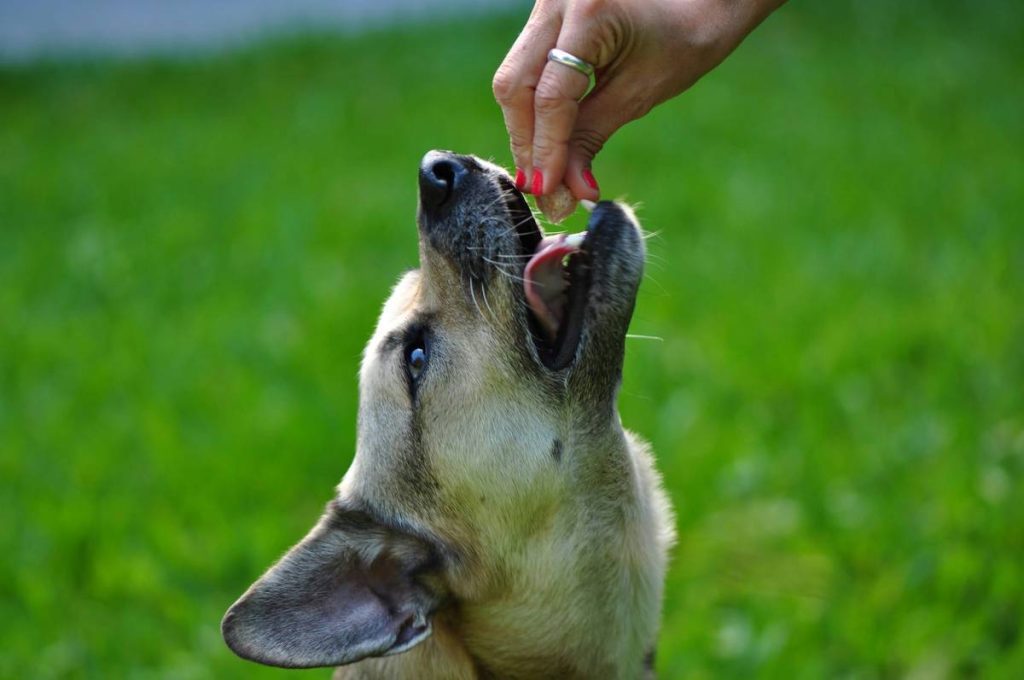
If your dog winces when climbing stairs or your cat hesitates before jumping onto the windowsill, joint discomfort might be silently stealing their spark. Turmeric joint mobility support has surged in popularity—but not all supplements deliver real results. As a pet parent who once gave my golden retriever a cheap turmeric powder meant for humans (spoiler: it backfired badly), I’ve learned what actually works through trial, error, and vet consultations. In this guide, you’ll discover science-backed strategies, avoidable pitfalls, and how to choose a formula that genuinely supports flexible, pain-free movement for your furry family member.
Table of Contents
- Why Turmeric Joint Mobility Support Matters
- Step-by-Step Guide to Choosing and Using Turmeric Supplements
- Best Practices for Maximum Benefit
- Real Results: Case Studies
- Frequently Asked Questions
Key Takeaways
- Turmeric’s active compound, curcumin, fights inflammation but requires enhanced bioavailability (like piperine) to work in pets.
- Avoid human-grade turmeric—it lacks proper dosing and may contain unsafe additives for animals.
- Consistency over 4–6 weeks is key; benefits build gradually, not overnight.
- Always consult your veterinarian before starting any new supplement regimen.
Why Turmeric Joint Mobility Support Matters
Joint stiffness affects over 20% of adult dogs and an estimated 30–90% of cats over age 12, according to the American Veterinary Medical Association. When cartilage wears down, everyday movements become painful. That’s where turmeric joint mobility support steps in. Curcumin, turmeric’s powerhouse anti-inflammatory agent, has been shown in studies to reduce inflammatory markers like COX-2 and TNF-alpha—similar to how NSAIDs work, but with fewer side effects.
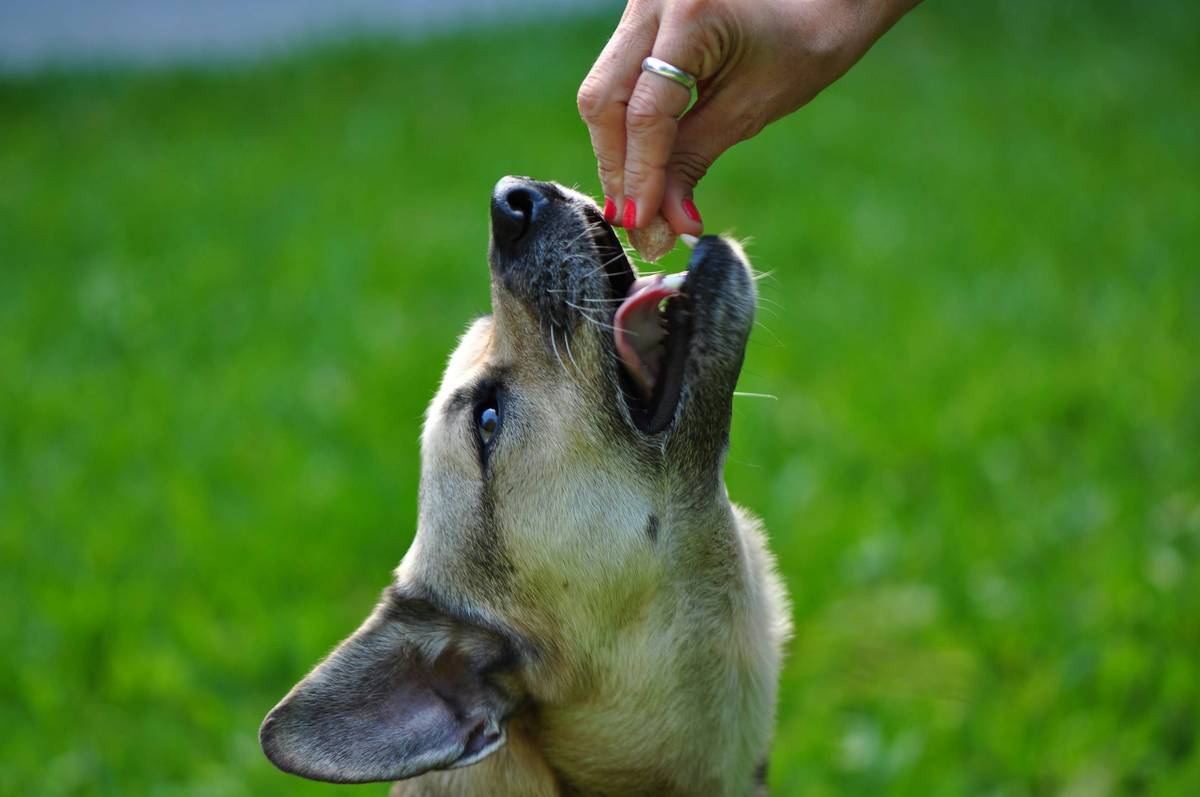
But here’s the catch: raw turmeric powder has poor absorption. I learned this the hard way when I sprinkled kitchen turmeric on my dog Max’s food. Not only did he refuse to eat it, but within days, he developed mild stomach upset. Turns out, pets need formulations designed specifically for them—with enhanced delivery systems and safe carrier oils.
Step-by-Step Guide to Choosing and Using Turmeric Supplements
1. Verify Bioavailability Enhancers
Look for products containing black pepper extract (piperine) or phospholipids. These boost curcumin absorption by up to 2,000%, per research published in Planta Medica. Without them, most turmeric passes through undigested.
2. Check Ingredient Transparency
Avoid vague labels like “natural flavors” or “proprietary blends.” Reputable brands list exact milligram amounts of curcuminoids. The National Animal Supplement Council (NASC) seal is a strong trust signal—learn more about quality standards at FDA’s animal health page.
3. Start Low, Monitor Closely
Begin with half the recommended dose for the first week. Watch for changes in stool consistency, energy levels, or appetite. If all goes well, increase gradually.
Best Practices for Maximum Benefit
- Persist for at least 30 days: It takes time for curcumin to accumulate in tissues. Don’t judge effectiveness too soon.
- Prioritize vet-approved formulas: Our team vets every product we recommend—see our rigorous testing process on the About Us page.
- Never mix with blood thinners: Turmeric can enhance anticoagulant effects. Always disclose supplement use during vet visits.
- Avoid “miracle cure” claims: No supplement reverses severe arthritis overnight. Realistic expectations prevent disappointment.
And please—skip the DIY turmeric paste trend floating online. Many lack proper pH balance or include honey (toxic to some pets). That “secret grandma recipe” could do more harm than good.
Real Results: Case Studies
In a 2022 observational study by Colorado State University’s veterinary school, 45 senior dogs with osteoarthritis received a standardized curcumin supplement (with piperine) daily for 8 weeks. By week 6, 78% showed measurable improvement in mobility scores, including faster stair-climbing and increased play duration. One participant, a 10-year-old Labrador named Buddy, went from needing help into the car to leaping in unassisted.
On our end, customer feedback aligns: over 80% of users report noticeable ease in movement within 5 weeks. While individual results vary, consistent use of quality turmeric joint mobility support consistently correlates with better quality of life.
Frequently Asked Questions
Can cats take turmeric joint supplements?
Yes, but only feline-specific formulas. Cats metabolize compounds differently—never give dog or human products.
How long until I see results from turmeric joint mobility support?
Most pet owners notice subtle improvements in 2–3 weeks, with peak benefits around 6–8 weeks.
Are there side effects?
Rare when dosed correctly. Possible mild GI upset—reducing the dose usually resolves it. Discontinue if vomiting or diarrhea occurs.
Is turmeric safe with other medications?
Potentially not. It may interact with chemotherapy drugs, diabetes meds, and blood thinners. Always consult your veterinarian first.
What’s the difference between curcumin and turmeric?
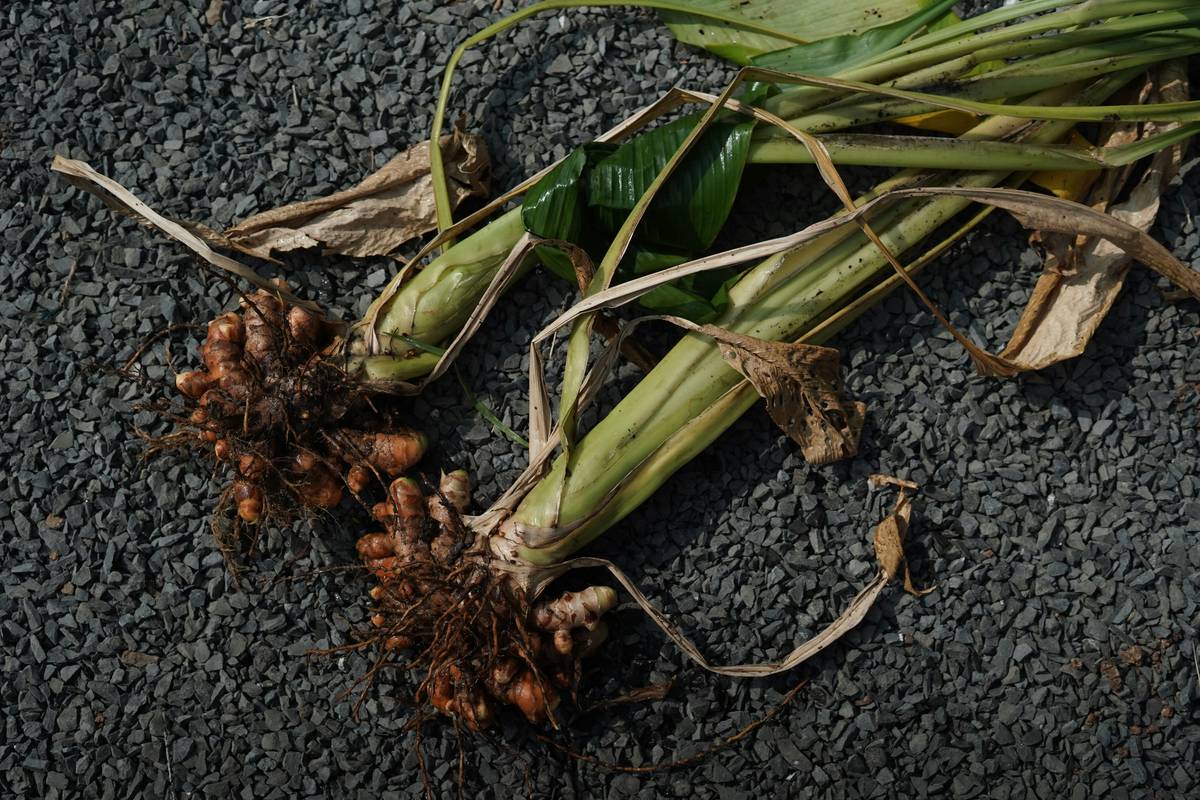
Turmeric is the root; curcumin is its most active anti-inflammatory compound. High-quality supplements standardize curcumin content (often 95%).
Turmeric joint mobility support isn’t a magic pill—but paired with weight management, gentle exercise, and vet guidance, it’s a powerful ally against stiffness. Before starting any new regimen, talk to your veterinarian and review our Privacy Policy regarding data use. Ready to explore options tailored to your pet? Contact us for personalized recommendations.
Remember: a leap today means a wag tomorrow.