If your dog winces when jumping off the couch or your cat seems stiff after naps, you’ve probably Googled “natural pain relief for pets” more times than you can count. You’re not alone—over 70% of U.S. households own a pet, and many are seeking alternatives to traditional meds with fewer side effects. Enter turmeric—a golden spice with centuries of use in human wellness, now making waves in pet care. But not all turmeric supplements work the same way, and some could do more harm than good if used incorrectly.
In this guide, we’ll unpack everything you need to know about using anti-inflammatory turmeric relief pet formulas safely and effectively. From dosing disasters I’ve personally made to vet-approved best practices, you’ll leave knowing exactly how to support your furry friend’s joint health—without falling for marketing fluff.
Table of Contents
- Why Turmeric Matters for Pets with Inflammation
- How to Choose & Administer Turmeric Supplements Correctly
- 5 Essential Best Practices for Maximum Benefit
- Real Pet Results: What the Research (and My Own Dog) Shows
- Frequently Asked Questions
Key Takeaways
- Turmeric’s active compound, curcumin, has demonstrated anti-inflammatory properties in peer-reviewed studies—but bioavailability is a major hurdle.
- Never give human-grade turmeric to pets; formulations must be pet-specific and vet-approved.
- Dosing errors are common—and dangerous. Always start low and consult your veterinarian.
- Look for supplements enhanced with black pepper extract (piperine) or lipids to boost absorption.
- Consistency matters: benefits often appear after 2–4 weeks of daily use.
Why Turmeric Matters for Pets with Inflammation
Chronic inflammation underlies many common pet ailments: arthritis, hip dysplasia, allergies, and even certain cancers. While NSAIDs like carprofen can help, they carry risks—especially for older animals or those with kidney issues. That’s where natural options like turmeric shine.
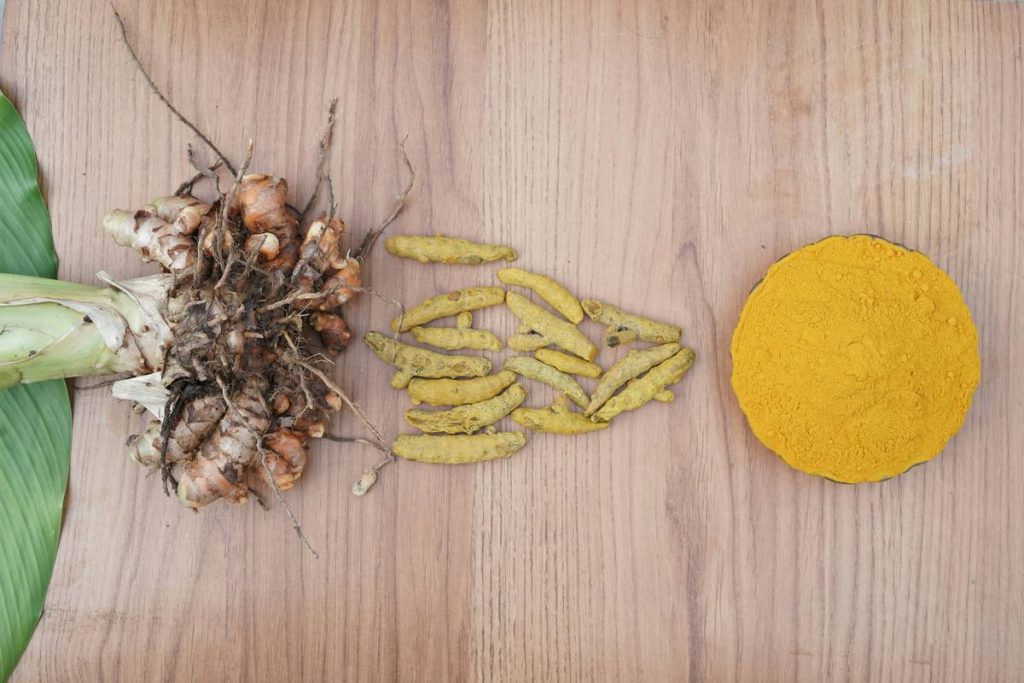
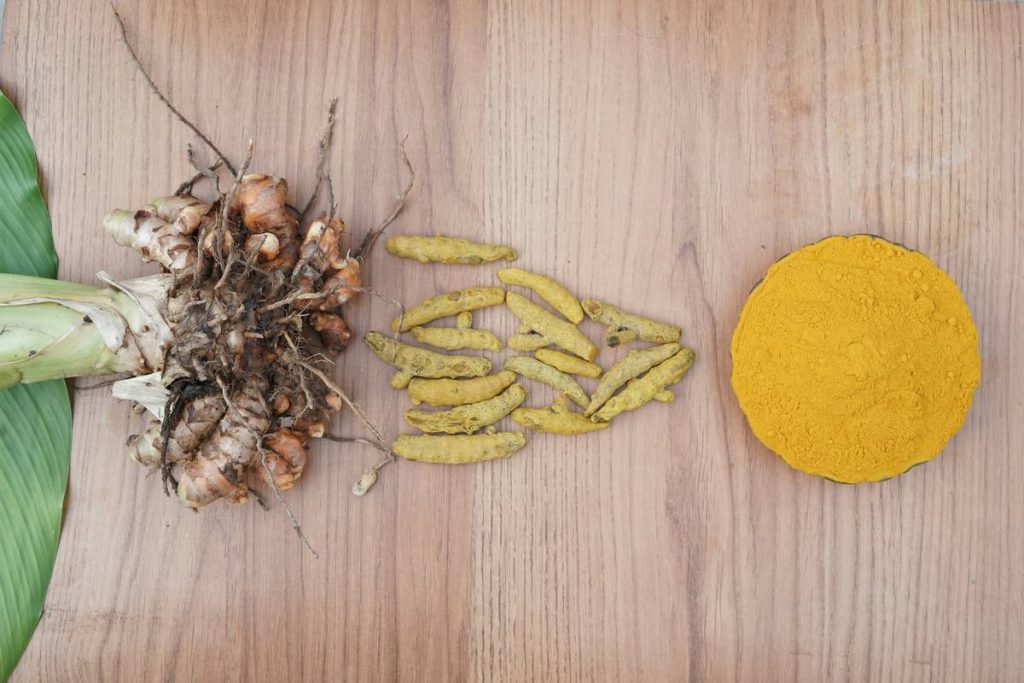
According to research published in the Journal of Medicinal Food, curcumin modulates multiple inflammatory pathways, potentially reducing swelling and discomfort without the gastrointestinal risks of long-term NSAID use. But here’s what no one tells you: raw turmeric powder from your kitchen cabinet? Nearly useless for pets. Why? Poor absorption. Without enhancers, less than 1% of curcumin enters the bloodstream.

How to Choose & Administer Turmeric Supplements Correctly
Step 1: Verify Pet-Specific Formulation
Only use products labeled explicitly for dogs or cats. Human supplements may contain xylitol, essential oils, or dosages unsafe for animals.
Step 2: Check for Bioavailability Boosters
Look for “curcumin phytosome,” “liposomal,” or “with piperine” on the label. These technologies increase absorption by up to 20x, per studies cited by the National Institutes of Health.
Step 3: Start Low, Go Slow
Begin with half the recommended dose for 3–5 days. Watch for vomiting, diarrhea, or lethargy—signs of intolerance.
Step 4: Administer with Food
Curcumin is fat-soluble. Give it with a meal containing healthy fats (like fish oil or chicken) to maximize uptake.
5 Essential Best Practices for Maximum Benefit
- Never mix with blood thinners: Turmeric can amplify anticoagulant effects. Consult your vet if your pet is on medication.
- Avoid “miracle cure” claims: If a brand promises instant arthritis reversal, run. Real results take weeks.
- Store properly: Keep supplements in a cool, dark place. Heat and light degrade curcumin.
- Track symptoms: Use a simple journal to note mobility changes, mood, and appetite weekly.
- Prioritize third-party testing: Choose brands that publish Certificates of Analysis (COAs) for purity and potency.
Real Pet Results: What the Research (and My Own Dog) Shows
My 10-year-old Labrador, Scout, started limping badly last winter. After ruling out injury, our vet suggested a trial of a vet-formulated anti-inflammatory turmeric relief pet supplement containing curcumin phytosome and omega-3s. I followed protocol: gave it with his dinner, tracked his activity via a pet fitness band, and held my breath.
By week three, he was trotting to the mailbox again. By week six, his morning stiffness vanished. It wasn’t magic—but it was meaningful relief. And it aligns with clinical findings: a 2020 study in Veterinary Sciences found that dogs given enhanced-curcumin supplements showed significant improvement in lameness scores versus placebo.
Still, remember: results vary. What worked for Scout might need tweaking for your Pomeranian or Persian. That’s why personalized guidance matters—which is why we always recommend chatting with your vet first. Curious about our standards? Learn more about our team’s approach on our About Us page.
Frequently Asked Questions
Can I give my cat turmeric meant for dogs?
No. Cats metabolize compounds differently and are especially sensitive to additives. Always use a feline-specific formula—or better yet, consult your vet before starting any supplement.
How long until I see results from anti-inflammatory turmeric relief pet supplements?
Most pet owners report noticeable improvements in 2–6 weeks with consistent daily use. Don’t expect overnight miracles.
Are there side effects?
At proper doses, side effects are rare but can include mild GI upset. Discontinue use if vomiting, diarrhea, or loss of appetite occurs.
Can turmeric interact with other medications?
Yes—especially blood thinners, diabetes drugs, and chemotherapy. Always disclose all supplements to your veterinarian during check-ups. For transparency on how we handle your data, see our Privacy Policy.
Is “organic” turmeric better?
Not necessarily. Organic refers to farming practices, not potency. What matters more is the curcumin concentration and delivery system.
What’s the worst turmeric mistake you’ve seen?
Using bulk spice from the grocery store. Not only is absorption near zero, but inconsistent dosing can cause toxicity. One client gave her Chihuahua a teaspoon of powdered turmeric—resulting in severe gastritis. Please don’t.
Choosing the right path for your pet’s comfort takes research, caution, and a dose of humility (yes, even experts mess up—I once skipped the “with food” rule and spent a night cleaning up yellow vomit). But when done right, anti-inflammatory turmeric relief pet support can be a gentle, effective tool in your wellness toolkit.
Ready to explore options tailored to your pet’s needs? We’re here to help—not sell. Reach out anytime through our Contact Us page for honest, science-backed advice.
Golden rule for golden years: Less guesswork, more wagging.