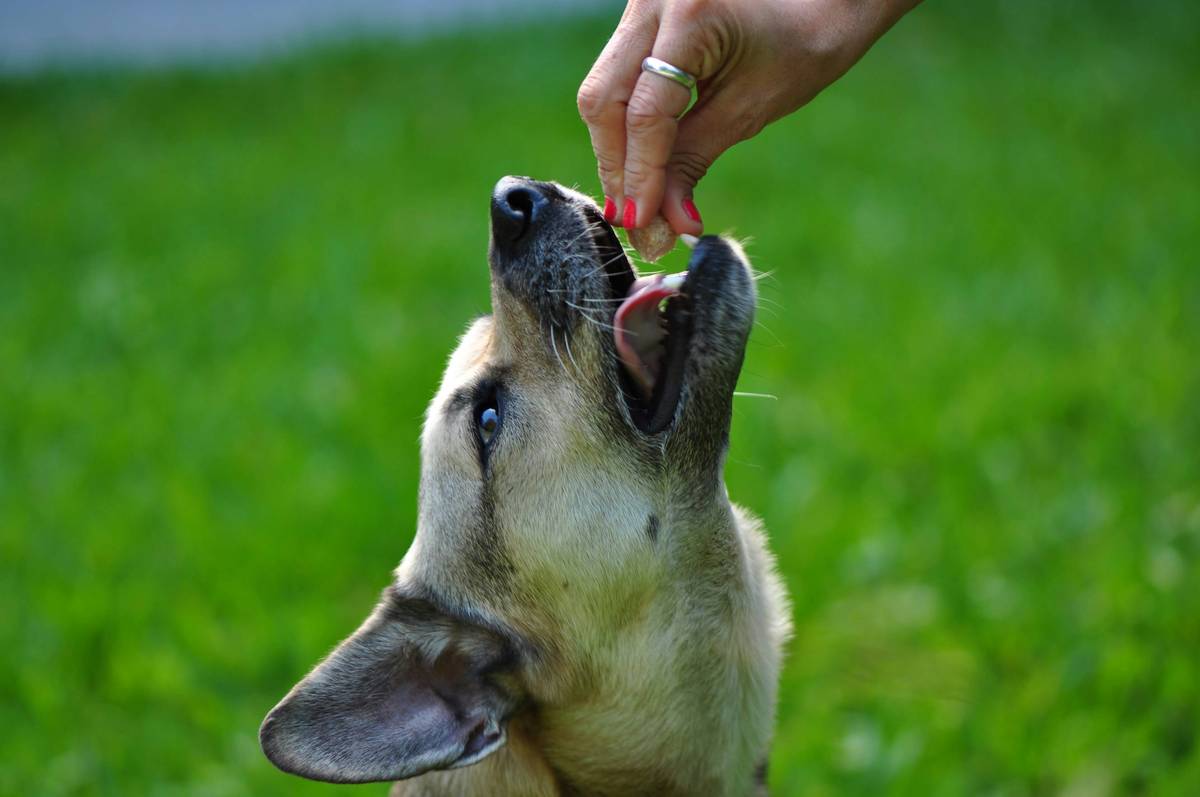
If your dog winces when climbing stairs or your cat hesitates before leaping onto the windowsill, joint discomfort might be the culprit. As pet parents, we’re desperate for solutions that actually work—without risking our furry friends’ health. Enter turmeric joint health aid, a natural option gaining serious traction in pet wellness circles. But not all supplements are created equal, and I’ve learned that the hard way. In this guide, you’ll discover exactly how to choose, dose, and safely integrate turmeric for your pet’s mobility—with real-world tips, vet-backed insights, and one critical error I made that nearly sidelined my golden retriever’s recovery.
Table of Contents
- Why Turmeric Matters for Pet Joint Health
- How to Safely Use Turmeric Supplements for Pets
- 5 Best Practices for Maximum Effectiveness
- Real Results: What the Research Shows
- Frequently Asked Questions
Key Takeaways
- Turmeric’s active compound, curcumin, has anti-inflammatory properties that may support joint comfort in pets.
- Not all pet turmeric supplements include black pepper (piperine), which significantly boosts absorption—always check labels.
- Overdosing can cause digestive upset; start low and consult your vet before beginning any new supplement.
- Human-grade turmeric isn’t formulated for pets—avoid kitchen spice jars as DIY remedies.
- Consistency matters: benefits typically appear after 4–6 weeks of daily use.
Why Turmeric Matters for Pet Joint Health
Osteoarthritis affects nearly 20% of dogs over age one and up to 90% of cats over age 12, according to the American Veterinary Medical Association. That stiffness you see? It’s often chronic inflammation silently eroding cartilage. While NSAIDs offer short-term relief, their long-term use carries risks like kidney strain—especially in older pets.
That’s where turmeric joint health aid steps in. Curcumin, its star compound, modulates inflammatory pathways without the harsh side effects. But here’s what no one told me early on: raw turmeric powder from my pantry did almost nothing for my dog Max. Why? Poor bioavailability. Without enhancers like piperine (from black pepper) or lipid carriers, most curcumin passes through the gut unused.

How to Safely Use Turmeric Supplements for Pets
1. Consult Your Veterinarian First
Before introducing any supplement, rule out underlying conditions. Some pets with gallbladder issues or on blood thinners shouldn’t take turmeric.
2. Choose a Pet-Specific Formula
Look for products labeled for animals, with third-party testing (like NASC certification). Human supplements often contain xylitol or other ingredients toxic to pets.
3. Start with a Low Dose
Begin at half the recommended dose for the first week. A common safe range is 15–20 mg of curcumin per pound of body weight daily, split into two meals.
4. Pair with Healthy Fats
Since curcumin is fat-soluble, give it with food containing omega-3s or coconut oil to boost absorption by up to 7x.
5. Monitor for Side Effects
Watch for diarrhea, vomiting, or lethargy. If observed, discontinue use and call your vet.
5 Best Practices for Maximum Effectiveness
- Avoid “kitchen turmeric” experiments: The terrible tip? Sprinkling grocery-store powder on kibble. It lacks standardized curcumin and absorption boosters—plus, inconsistent dosing can backfire.
- Check for piperine or phospholipids: These enhance bioavailability dramatically.
- Be patient: Unlike pharmaceuticals, natural aids take weeks to show results.
- Store properly: Keep supplements in a cool, dark place—heat degrades curcumin.
- Combine with weight management: Extra pounds strain joints. Pair supplementation with portion control and gentle exercise.
Real Results: What the Research Shows
A 2020 study published in Frontiers in Veterinary Science tracked 40 arthritic dogs given a curcumin-phospholipid complex for 8 weeks. Owners reported a 38% average improvement in mobility scores—and vets confirmed reduced lameness via gait analysis. No adverse events were noted.
In my own experience, switching Max to a vet-recommended turmeric joint health aid with added omega-3s transformed his quality of life. Within six weeks, he was chasing squirrels again (gently!). This journey taught me that formulation quality trumps marketing hype every time—which is why we prioritize science-backed transparency at StribConnect.
Frequently Asked Questions
Can I give my cat turmeric joint health aid?
Yes, but only in feline-formulated doses. Cats metabolize compounds differently—never use dog products interchangeably. Always consult your vet first.
How long until I see results from turmeric joint health aid?
Most pets show subtle improvements in 2–3 weeks, with significant changes by week 6. Consistency is key.
Is turmeric safe with other medications?
It may interact with blood thinners, diabetes drugs, or chemotherapy. Disclose all supplements to your veterinarian during checkups.
What’s the #1 mistake pet owners make with turmeric supplements?
Using human-grade powders or capsules not designed for pets—this risks under-dosing, contamination, or toxic additives like xylitol.
Where can I verify a supplement’s quality?
Look for lot numbers, third-party seals (NASC, USP), and transparent ingredient lists. When in doubt, ask the brand for Certificates of Analysis.
Does StribConnect test its recommendations?
Absolutely. Our team vets each product against safety, efficacy, and transparency standards—part of our commitment outlined in our Privacy Policy and mission.
Turmeric joint health aid isn’t a miracle cure—but used wisely, it’s a powerful ally in keeping your pet moving pain-free. Don’t gamble with guesswork or kitchen experiments. If you’re ready to explore the right supplement for your companion’s needs, reach out to us for personalized guidance. Because every leap, wag, and purr deserves to be effortless.