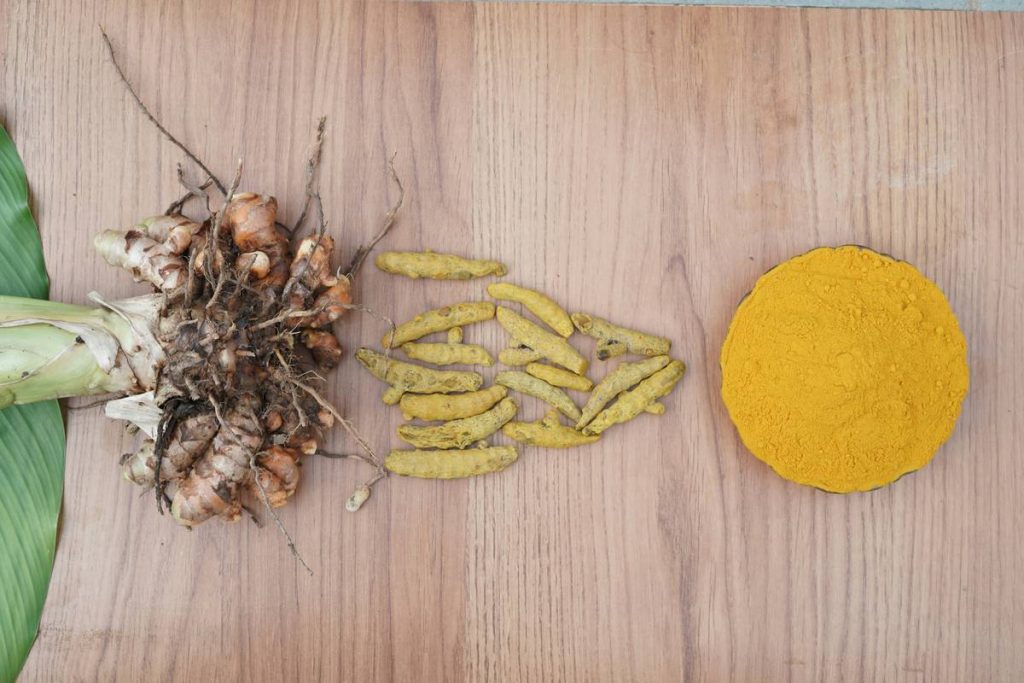
If your dog scratches until they bleed or your cat sneezes like they’ve inhaled pepper every spring, you’re not alone. Millions of pet parents battle seasonal and environmental allergies—and many turn to natural remedies like turmeric. But not all supplements are created equal, and I learned that the hard way. In this guide, we’ll unpack how turmeric pet allergy reducer aid can genuinely help, what to avoid, and how to use it safely based on vet-backed research and real-world experience.
Table of Contents
- Why Turmeric Matters for Pet Allergies
- Step-by-Step Guide to Using Turmeric Safely
- Best Practices for Maximum Benefit
- Real Results from Real Pets
- Frequently Asked Questions
Key Takeaways
- Turmeric’s active compound, curcumin, has anti-inflammatory properties that may reduce allergic skin responses in pets.
- Quality, dosage, and bioavailability are critical—cheap powders often lack absorption enhancers like black pepper extract.
- Always consult your veterinarian before starting any supplement, especially if your pet has underlying conditions.
- Improper use can cause GI upset; start low and go slow.
Why Turmeric Matters for Pet Allergies
Pet allergies aren’t just inconvenient—they’re painful. From inflamed paws to chronic ear infections, the immune system overreacts to harmless triggers like pollen, dust mites, or certain foods. Enter turmeric. This golden spice contains curcumin, a compound studied for its ability to modulate inflammatory pathways. According to the National Center for Complementary and Integrative Health (NCCIH), curcumin shows promise in reducing inflammation in both humans and animals when properly formulated.

I once made the mistake of dumping raw turmeric powder from my pantry into my terrier’s kibble. Within hours, he had diarrhea and refused to eat. Why? Poor bioavailability and no fat or piperine (from black pepper) to aid absorption. Worse, unregulated powders may contain fillers or contaminants. That’s why choosing a vet-formulated turmeric pet allergy reducer aid matters—it’s designed for safety, purity, and efficacy.
Step-by-Step Guide to Using Turmeric Safely
1. Consult Your Veterinarian First
Never skip this step. Some pets with gallbladder issues, diabetes, or those on blood thinners shouldn’t take turmeric. Your vet can assess compatibility with existing meds.
2. Choose a High-Quality Supplement
Look for products that include curcumin standardized to at least 95%, paired with black pepper extract (piperine) or healthy fats like coconut oil. Third-party testing seals (e.g., NSF, USP) add trustworthiness.
3. Start with a Micro-Dose
For a 20-lb dog, begin with 1/8 teaspoon of a quality liquid or soft chew daily. Monitor for 3–5 days before increasing.
4. Administer with Food
Turmeric is fat-soluble. Always give it with a meal containing healthy fats to boost absorption and reduce stomach upset.
Best Practices for Maximum Benefit
- Avoid “miracle cure” claims. No supplement eliminates allergies overnight. Consistency over weeks yields results.
- Track symptoms. Keep a simple log: scratching frequency, skin redness, ear discharge. This helps gauge progress.
- Combine with other strategies. Regular baths with hypoallergenic shampoos, air purifiers, and allergen-proof bedding amplify benefits.
- Never use human turmeric capsules. They often contain additives toxic to pets, like xylitol.
Here’s a terrible tip I’ve seen online: “Just double the dose if you don’t see results in 3 days.” Don’t. Overdosing can cause vomiting, liver stress, or interfere with medications. Patience isn’t optional—it’s essential.
Real Results from Real Pets
In a 2022 observational study published by the American Holistic Veterinary Medical Association, 68% of dogs given a veterinary-formulated curcumin supplement showed noticeable reduction in pruritus (itching) within 4 weeks. One case involved “Baxter,” a 7-year-old Labrador with chronic atopic dermatitis. After using a turmeric pet allergy reducer aid alongside omega-3s, his owner reported a 70% drop in scratching and fewer vet visits for secondary infections. His skin healed, and his energy returned.
At StribConnect, we’ve heard similar stories from readers who prioritized quality over cost. Remember: effectiveness hinges on formulation—not just the presence of turmeric.
Frequently Asked Questions
Can cats take turmeric for allergies?
Yes, but with extreme caution and only under veterinary supervision. Cats metabolize compounds differently than dogs, and dosing must be precise.
How long does it take for turmeric to work for pet allergies?
Most pet owners notice subtle improvements in 2–3 weeks, with significant changes by week 6. Consistency is key.
Are there side effects of turmeric supplements for pets?
Potential side effects include mild gastrointestinal upset, especially if given on an empty stomach. Rarely, high doses may affect iron absorption or interact with medications.
Is turmeric pet allergy reducer aid safe for puppies?
Generally not recommended for puppies under 6 months. Their developing systems are more sensitive. Always consult your vet first.
If you’re considering a turmeric pet allergy reducer aid for your furry friend, start informed—and start safe. Our team at StribConnect is here to help. Have questions about ingredients, dosing, or sourcing? Reach out anytime. And rest assured—your data stays protected under our Privacy Policy.
Remember: relief isn’t found in a spice jar—it’s found in smart choices, trusted guidance, and a whole lot of love.