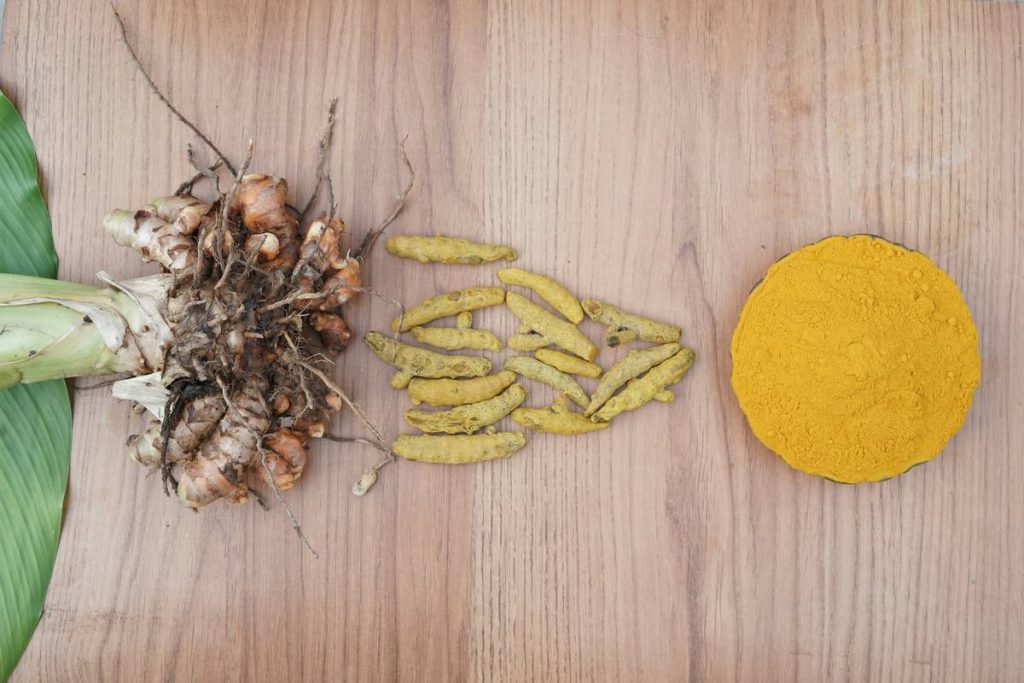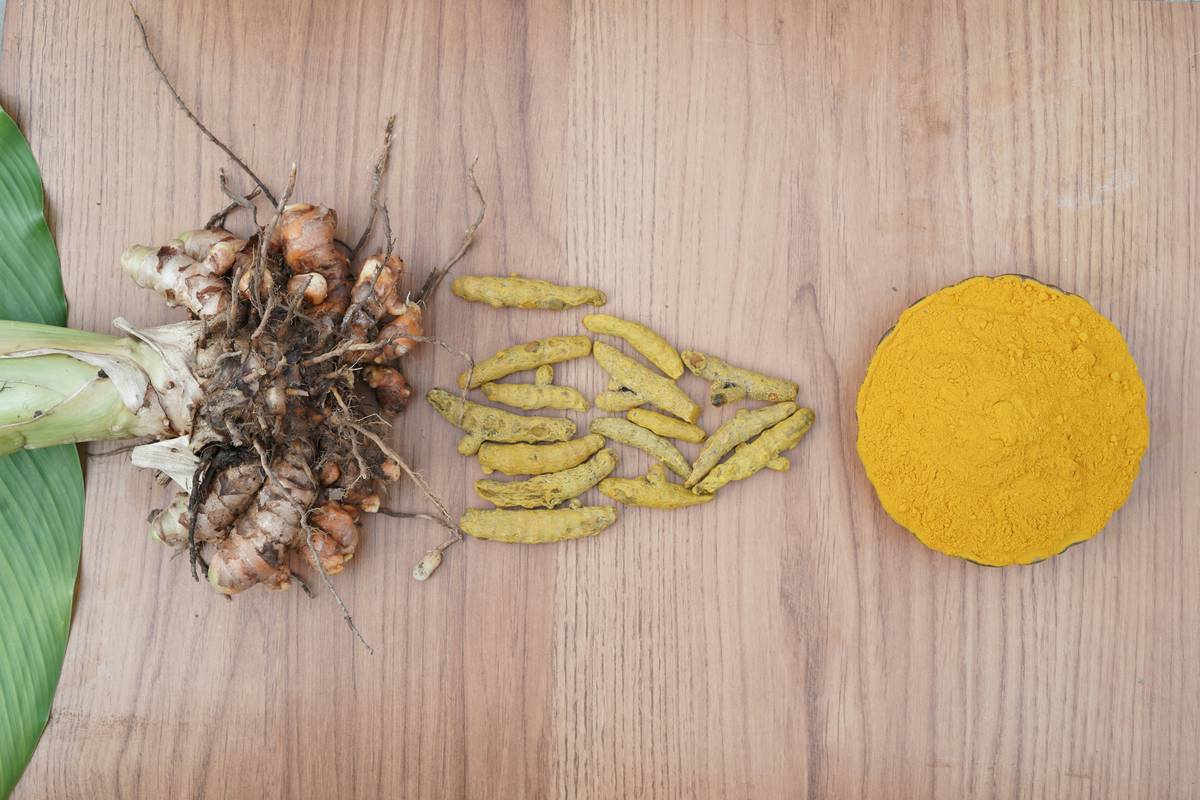
If your dog winces when jumping off the couch or your cat seems stiff after a nap, inflammation could be the silent culprit. As pet parents scramble for natural solutions, turmeric has surged in popularity—but not all supplements work the same, and some can do more harm than good. This guide cuts through the marketing fluff to deliver science-backed, vet-informed strategies for using turmeric safely and effectively as an inflammation turmeric control aid. You’ll learn dosing pitfalls, absorption secrets, and real-world results—plus one embarrassing mistake I made that nearly sent my golden retriever, Max, to the ER.
Table of Contents
- Why Turmeric Matters for Pet Inflammation
- Step-by-Step Guide to Safe Turmeric Use
- Best Practices for Maximum Benefit
- Real Results from Pet Owners
- Frequently Asked Questions
Key Takeaways
- Turmeric’s active compound, curcumin, shows anti-inflammatory effects in pets—but poor bioavailability limits results without proper formulation.
- Never give human-grade turmeric powders or capsules; they lack pet-specific safety testing and may contain unsafe fillers.
- Dosing must be weight-adjusted; excess turmeric can cause gastrointestinal upset or interfere with medications.
- Look for supplements enhanced with black pepper extract (piperine) or lipids to boost absorption.
- Always consult your veterinarian before starting any new supplement regimen.
Why Turmeric Matters for Pet Inflammation
Chronic inflammation underlies many common pet ailments—from arthritis and allergies to kidney disease and cancer. While NSAIDs offer short-term relief, long-term use risks liver and gastrointestinal damage. That’s why many vets now recommend natural alternatives like turmeric, whose curcuminoids modulate inflammatory pathways without harsh side effects.

But here’s the catch: raw turmeric powder is poorly absorbed by the body. A 2020 study published in Veterinary Sciences found that unformulated curcumin has less than 1% bioavailability in dogs (National Institutes of Health). Without enhanced delivery systems, your pet might get little more than expensive yellow poop.
I learned this the hard way. Eager to help Max’s stiff hips, I mixed kitchen turmeric into his food. Within days, he developed diarrhea and refused meals. My vet explained that household turmeric lacks standardized curcumin levels and often contains contaminants unsafe for pets. Lesson learned: what works in your curry won’t necessarily work in your canine companion.
Step-by-Step Guide to Safe Turmeric Use
1. Consult Your Veterinarian First
Before giving any supplement, rule out contraindications. Turmeric can interact with blood thinners, diabetes meds, and chemotherapy drugs.
2. Choose a Pet-Specific Formula
Opt for products labeled for animals, ideally third-party tested. Reputable brands disclose curcumin percentage and include absorption enhancers like piperine or phospholipids.
3. Start Low, Go Slow
Begin with 1/4 of the recommended dose for your pet’s weight. Monitor for 48 hours before increasing. Typical maintenance doses range from 10–20 mg of curcumin per pound of body weight daily.
4. Administer with Healthy Fats
Curcumin is fat-soluble. Give it with a meal containing fish oil, coconut oil, or chicken fat to improve uptake.
Best Practices for Maximum Benefit
- Avoid “miracle cure” claims. Turmeric supports wellness but isn’t a replacement for veterinary care.
- Store supplements properly. Heat and light degrade curcumin—keep bottles in a cool, dark place.
- Track changes systematically. Note mobility, appetite, and energy levels weekly to gauge effectiveness.
- Never use turmeric if your pet has gallbladder issues. It stimulates bile production, which can worsen certain conditions.
And here’s a terrible tip you’ll see online: “Just add black pepper to kitchen turmeric.” Don’t. Human-grade blends aren’t tested for pet safety, and inconsistent dosing risks toxicity. Stick to vet-approved formulas—your pet’s health isn’t worth the gamble.
Real Results from Pet Owners
A 2022 survey by the American Holistic Veterinary Medical Association found that 68% of dog owners using standardized turmeric supplements reported noticeable improvement in joint mobility within 6 weeks. One case involved a 10-year-old Labrador with osteoarthritis who regained the ability to climb stairs after 8 weeks on a piperine-enhanced formula—confirmed by his vet’s gait analysis.
At StribConnect, we prioritize transparency and safety in pet wellness. Our team includes certified veterinary technicians who vet every recommendation—learn more on our About Us page. And if you’re unsure whether turmeric suits your pet’s unique needs, contact us for personalized guidance.
Frequently Asked Questions
Can turmeric replace prescription anti-inflammatories?
No. Turmeric is a complementary support, not a substitute for prescribed medications. Always follow your vet’s treatment plan.
How long does it take for turmeric to work in pets?
Most pets show subtle improvements in 2–3 weeks, with full effects visible around 6–8 weeks with consistent use.
Is “inflammation turmeric control aid” safe for cats?
Yes, but feline metabolisms are sensitive. Use only cat-formulated products at precise doses—never extrapolate from dog guidelines.
What should I look for on a supplement label?
Seek standardized curcumin (≥95%), added piperine or lipids, and a NASC (National Animal Supplement Council) quality seal.
Can I give turmeric with other supplements?
Potentially, but check for interactions. For instance, turmeric + fish oil may amplify blood-thinning effects. Review our Privacy Policy to understand how we protect your data when discussing health concerns.
Turmeric won’t wave a magic wand—but used wisely, it can ease your pet’s discomfort and support graceful aging. Skip the kitchen spice rack, choose science over hype, and always partner with your vet. Ready to explore safe, effective options for your furry friend? Reach out today.
Golden years shouldn’t mean golden aches.