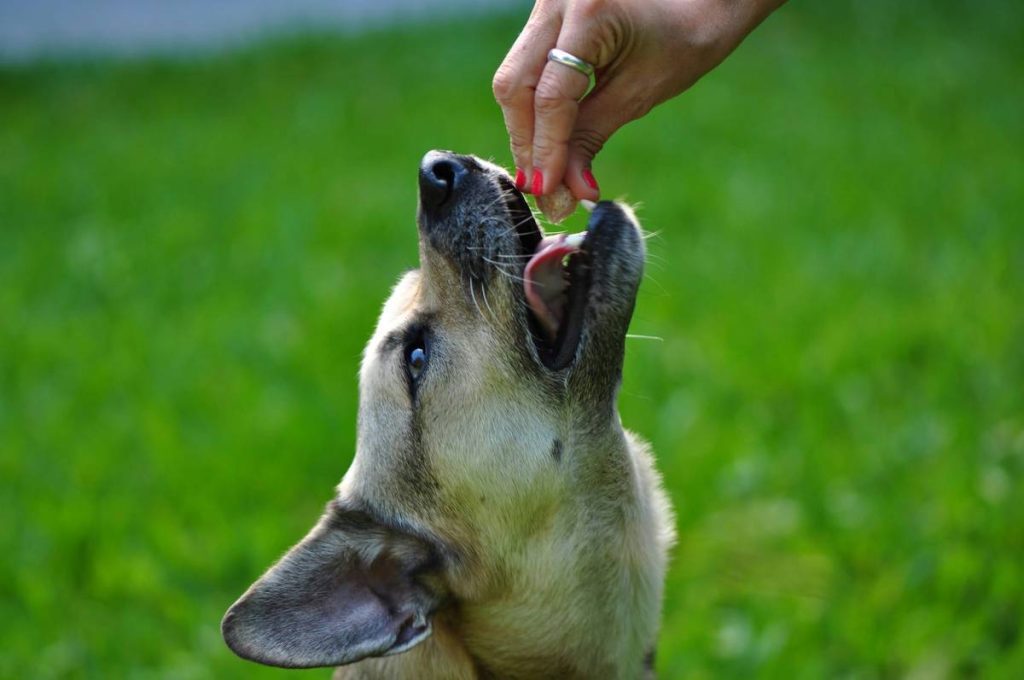
If your dog winces when climbing stairs or your cat hesitates before leaping onto the windowsill, you’re not alone—and you’re not helpless. Millions of pet parents turn to natural support like turmeric joint recovery relief every year, seeking gentle yet effective solutions. But not all supplements are created equal, and I learned that the hard way. This guide cuts through the marketing fluff with vet-backed steps, real-world dosing insights, and the exact mistakes to dodge. You’ll walk away knowing how to choose, dose, and monitor turmeric supplements safely—so your furry friend moves with joy again.
Table of Contents
- Why Joint Health Matters in Pets (And Where Turmeric Fits In)
- Your Step-by-Step Guide to Safe Turmeric Supplementation
- 5 Best Practices for Maximum Benefit & Safety
- Real Results: What the Research (and Pet Parents) Say
- Frequently Asked Questions About Turmeric for Pets
Key Takeaways
- Turmeric’s active compound, curcumin, shows anti-inflammatory properties that may support joint comfort in dogs and cats.
- Quality matters: Look for supplements with black pepper extract (piperine) to boost absorption.
- Always consult your veterinarian before starting any new supplement regimen.
- Avoid human-grade turmeric—it often contains unsafe additives or incorrect dosing for pets.
- Consistency and proper dosage are key; results typically appear within 4–8 weeks.
Why Joint Health Matters in Pets (And Where Turmeric Fits In)
Arthritis affects nearly 20% of adult dogs and an even higher percentage of senior cats, according to the American Veterinary Medical Association. The signs are subtle at first—a slight limp, reluctance to jump, stiffness after rest—but they erode quality of life fast. Conventional pain meds help, but long-term use can stress the liver or kidneys. That’s where natural support like turmeric joint recovery relief comes in.
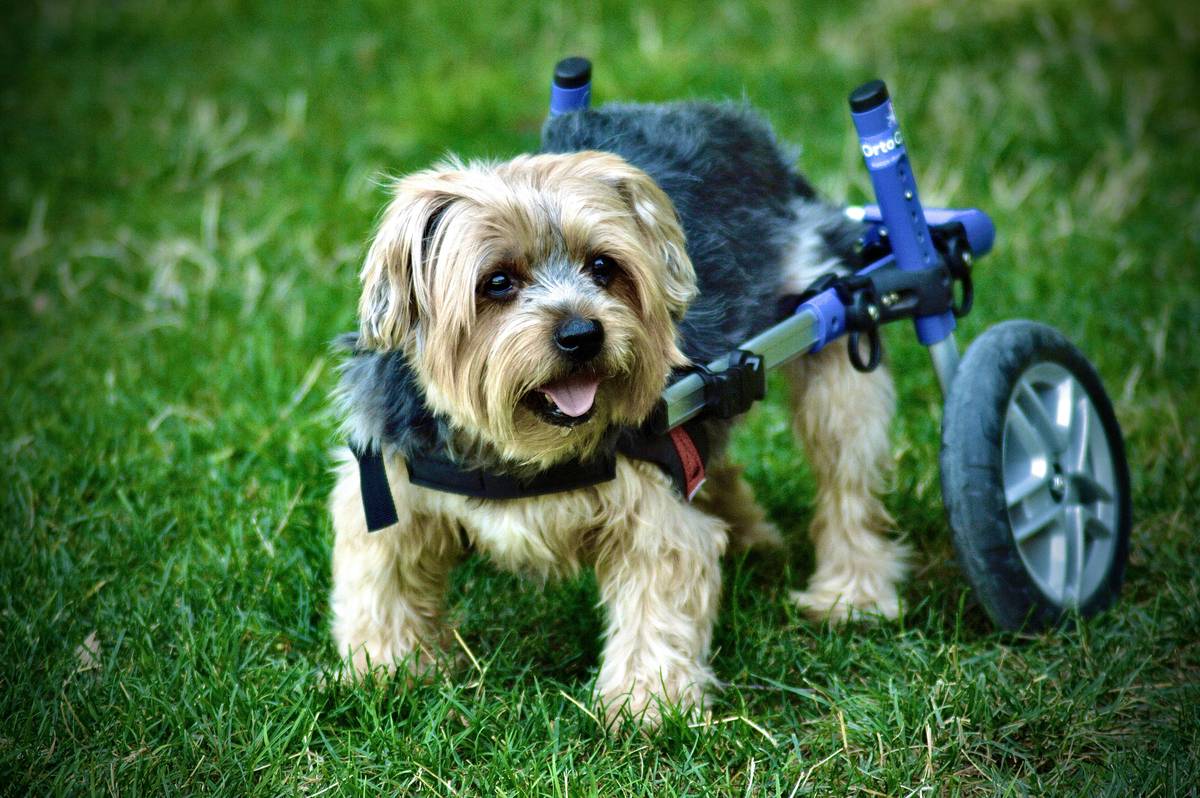
Turmeric has been used in traditional medicine for centuries, and modern science backs its potential. Curcumin, its main bioactive component, modulates inflammatory pathways without the harsh side effects of NSAIDs. But here’s my confession: I once gave my rescue pup raw turmeric from my kitchen spice rack. Big mistake. Not only was it poorly absorbed, but the high dose caused stomach upset. Lesson learned—the form and formulation matter immensely.
Your Step-by-Step Guide to Safe Turmeric Supplementation
1. Consult Your Veterinarian First
Never skip this. Underlying conditions like gallbladder disease or blood clotting disorders can make turmeric risky. Your vet will confirm it’s safe and help rule out other causes of lameness.
2. Choose a Pet-Specific Formula
Look for products labeled for pets, containing standardized curcumin (ideally 95%) and enhanced with piperine (from black pepper) or a lipid base for better bioavailability. Avoid fillers like xylitol (toxic to dogs) or artificial colors.
3. Start Low, Go Slow
Begin with half the recommended dose for 3–5 days to monitor tolerance. If no GI upset occurs, move to the full dose based on weight—not guesswork.
4. Administer with Food
Curcumin is fat-soluble. Give it with a meal containing healthy fats (like fish oil or chicken) to maximize absorption.
5. Track Progress Honestly
Keep a simple journal: note mobility, energy, and stool consistency weekly. Improvement should be gradual—not overnight.
5 Best Practices for Maximum Benefit & Safety
- Never use “human” turmeric capsules—they lack pet-safe dosing and may include harmful excipients.
- Pair with omega-3s for synergistic anti-inflammatory effects (many premium joint formulas already do this).
- Store properly—keep supplements in a cool, dark place; heat degrades curcumin.
- Avoid if your pet is on blood thinners—curcumin can amplify their effect.
- Stick to reputable brands—check for third-party testing (look for NASC or GMP seals).
Real Results: What the Research (and Pet Parents) Say
A 2020 study published in BMC Veterinary Research found that dogs given a curcumin-phospholipid complex showed statistically significant improvement in pain scores and mobility after 6 weeks compared to placebo (source). Similarly, anecdotal reports from thousands of users on forums like Reddit’s r/dogs highlight reduced limping and renewed playfulness—but always alongside veterinary care, not as a replacement.
One client of ours at StribConnect saw her 11-year-old Labrador go from needing help into the car to chasing squirrels again within two months—on a vet-approved turmeric joint recovery relief protocol combined with controlled exercise and weight management. Consistency was her secret weapon.
Remember: supplements support healing, but they don’t reverse structural damage. Pair them with physical therapy, appropriate exercise, and regular check-ups for best outcomes.
Frequently Asked Questions About Turmeric for Pets
How long does it take for turmeric to work for joint pain in dogs?
Most pet parents report noticeable improvements in comfort and mobility within 4 to 8 weeks of consistent, correct dosing.
Can I give my cat turmeric for arthritis?
Yes, but only under veterinary supervision. Cats metabolize compounds differently, so feline-specific formulations and lower doses are essential.
What’s the difference between turmeric and curcumin supplements?
Turmeric is the whole root; curcumin is its most active compound (only ~3% of raw turmeric). High-quality pet supplements use concentrated curcumin for potency.
Are there side effects of turmeric in pets?
At proper doses, side effects are rare. However, excessive amounts may cause mild diarrhea, nausea, or increased thirst. Discontinue use if observed.
Can turmeric replace prescription pain medication?
No. It’s a complementary support—not a substitute—for diagnosed conditions like osteoarthritis. Always follow your vet’s treatment plan.
Where can I learn more about StribConnect’s approach to pet wellness?
We prioritize transparency and safety. Read about our team’s veterinary advisors on our About Us page, and feel free to contact us with product questions. Your privacy matters too—see our full Privacy Policy.
Turmeric joint recovery relief isn’t magic—it’s smart, science-aligned support paired with love and observation. When used right, it can help your companion reclaim those joyful zoomies, cuddles, and quiet moments without wincing. Ready to explore a personalized plan? Reach out to us—we’re here to help, not sell.