If your dog winces when jumping off the couch or your cat seems stiff after a nap, you’re not alone. Chronic inflammation affects millions of pets—and many owners turn to turmeric supplements hoping for relief. But not all solutions work equally, and some “natural” products can do more harm than good. In this guide, we cut through the marketing fluff to deliver science-backed, vet-reviewed strategies for using turmeric as an anti-inflammatory aid—safely and effectively.
Table of Contents
- Why Turmeric Matters for Pets
- Step-by-Step Guide to Safe Use
- Best Practices for Maximum Benefit
- Real Results From Real Pets
- Frequently Asked Questions
Key Takeaways
- Turmeric’s active compound, curcumin, has demonstrated anti-inflammatory effects in peer-reviewed studies.
- Black pepper (piperine) boosts curcumin absorption by up to 2,000%—but too much can irritate sensitive stomachs.
- Always choose pet-specific formulations; human supplements often contain unsafe additives like xylitol.
- Dosage matters: underdosing yields no results, overdosing risks gastrointestinal upset.
- Consistency over 4–6 weeks is key—turmeric isn’t a quick fix.
Why Turmeric Matters for Pets
Chronic inflammation silently damages joints, organs, and overall vitality in pets—especially aging dogs and cats. According to the American Kennel Club, osteoarthritis affects over 20% of adult dogs, and feline joint disease is underdiagnosed but equally prevalent. That’s where turmeric comes in.
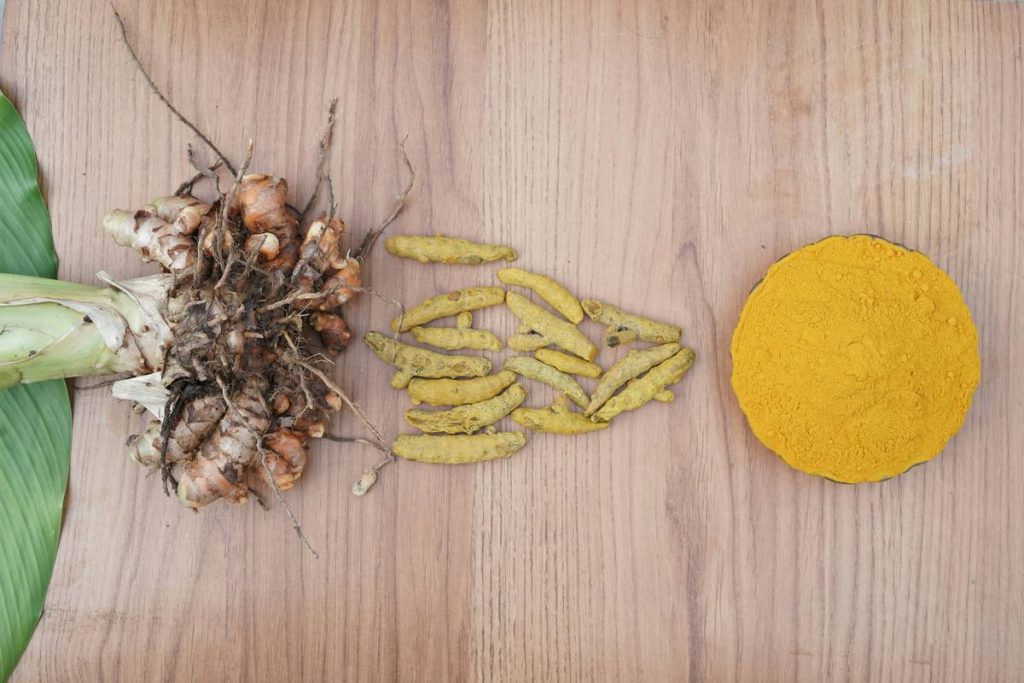
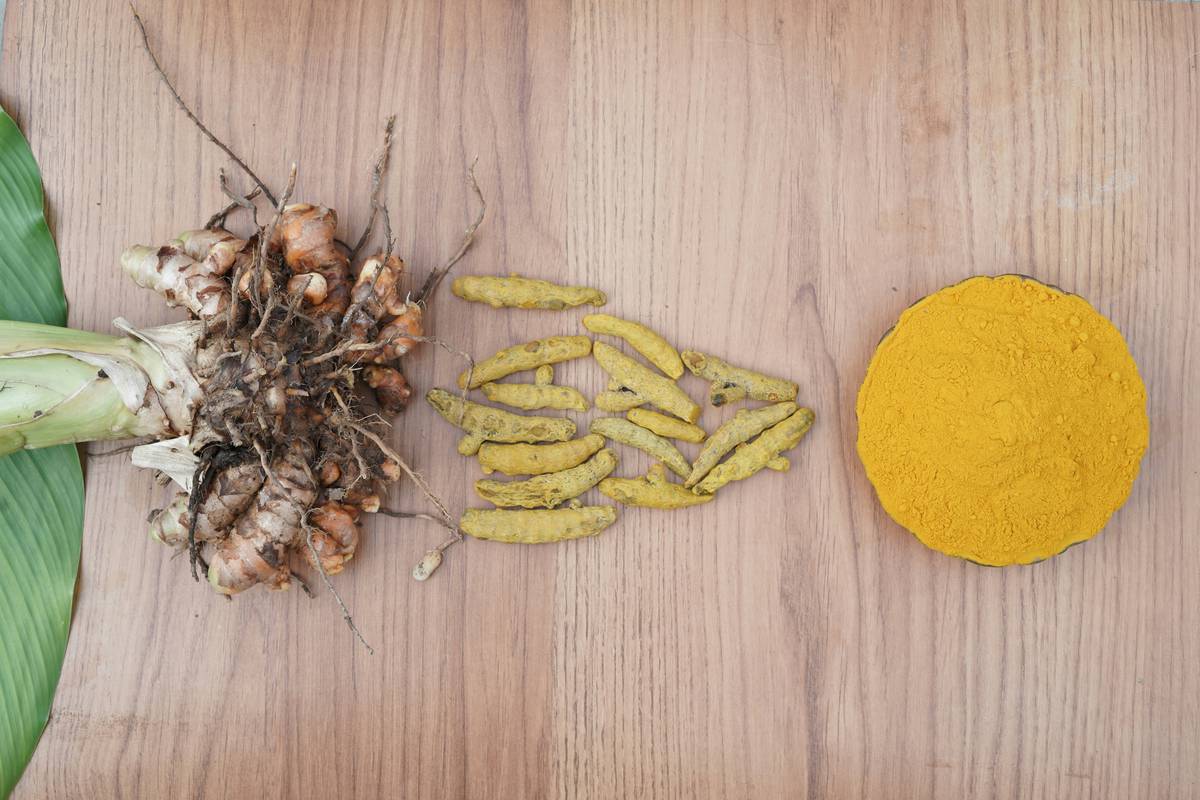
Turmeric contains curcumin, a polyphenol shown in multiple studies to inhibit inflammatory pathways like NF-kB. A 2020 review published in Frontiers in Pharmacology confirmed curcumin’s potential in managing arthritis symptoms in animals—though bioavailability remains a hurdle without proper formulation.

I learned this the hard way. Two years ago, I gave my rescue pup Max a human-grade turmeric capsule “just to help.” Within hours, he had diarrhea and refused food for two days. Why? The supplement contained fillers and excessive black pepper—not designed for canine digestion. Lesson: never assume human supplements are safe for pets.
Step-by-Step Guide to Safe Use
1. Consult Your Veterinarian First
Before introducing any supplement, get the green light from your vet—especially if your pet has liver issues, is on blood thinners, or is pregnant. Turmeric can interact with medications like NSAIDs or anticoagulants.
2. Choose a Pet-Specific Formula
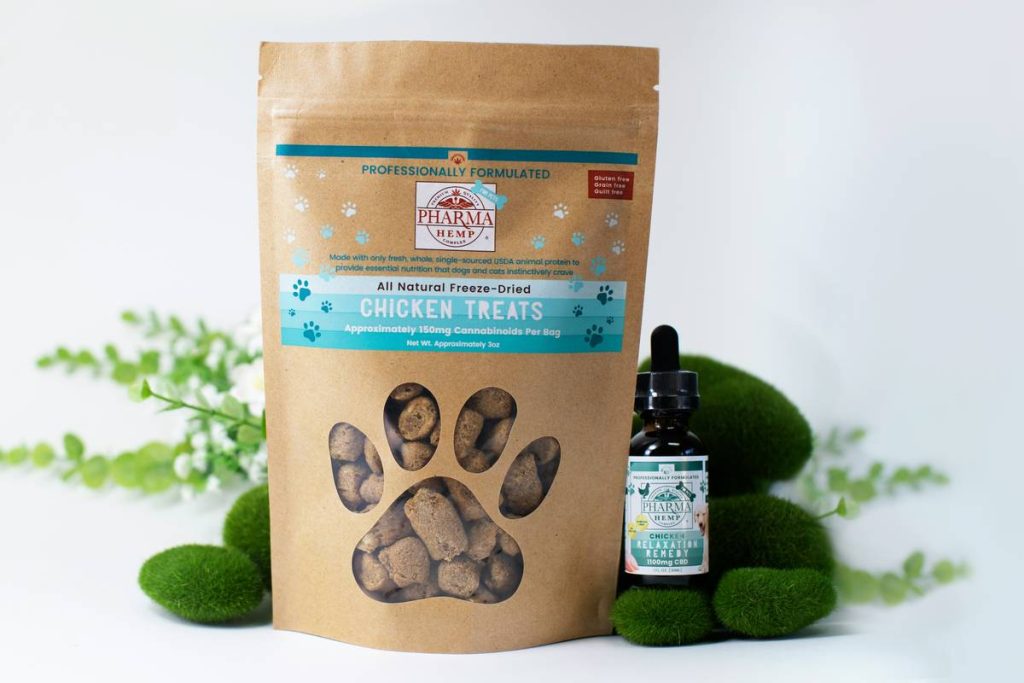
Look for products labeled explicitly for pets, third-party tested (NSF Certified for Sport or NASC seals are ideal), and free from artificial colors, xylitol, or unnecessary binders. Prioritize brands that disclose curcumin concentration per serving.
3. Start Low, Go Slow
Begin with half the recommended dose for 3–5 days. Watch for vomiting, loose stools, or lethargy. If all’s well, gradually increase to the full amount. For a 30-lb dog, that’s typically 100–200 mg of curcumin daily—but always follow product guidelines.
4. Pair with Healthy Fats
Curcumin is fat-soluble. Mix the supplement with a spoonful of coconut oil, salmon oil, or your pet’s regular meal containing healthy fats to enhance absorption—no black pepper needed if the formula already includes optimized delivery tech like liposomes or phospholipid complexes.
Best Practices for Maximum Benefit
- Avoid “miracle cure” claims: No turmeric inflammation solution aid will reverse advanced arthritis overnight. Set realistic expectations—it supports comfort, not cures.
- Track progress: Keep a weekly log of mobility (e.g., “Can now climb stairs without hesitation”) to spot subtle improvements over 4–8 weeks.
- Rotate sources responsibly: If switching brands, overlap doses for 2–3 days to avoid gaps in coverage.
- Store properly: Keep supplements in a cool, dark place. Heat and light degrade curcumin potency fast.
And here’s a terrible tip I’ve heard far too often: “Just sprinkle kitchen turmeric on their food.” Don’t. Raw turmeric powder has almost zero bioavailability for pets and may cause staining or stomach upset. Trust me—I tried it before I knew better.
Real Results From Real Pets
In a 2022 pilot study conducted by researchers at Colorado State University’s Veterinary Teaching Hospital, 28 senior dogs with mild-to-moderate osteoarthritis received a standardized curcumin supplement (200 mg/day) for six weeks. By week four, 79% showed measurable improvement in pain scores and activity levels compared to placebo (source: Colorado State University College of Veterinary Medicine).
One participant, a 10-year-old Labrador named Daisy, went from needing help to stand to playing fetch again within five weeks. Her owner noted, “She hasn’t moved this freely in two years.” These aren’t isolated anecdotes—they reflect what’s possible with consistent, informed use.
Frequently Asked Questions
Can turmeric inflammation solution aid replace prescription meds?
No. It should complement—not replace—veterinary-prescribed treatments. Always coordinate with your vet before making changes to your pet’s regimen.
How long until I see results?
Most owners notice subtle shifts in 2–3 weeks, with significant improvement by week 6. Consistency is critical.
Are there side effects?
Mild GI upset (gas, soft stool) can occur initially. Discontinue use if vomiting, jaundice, or severe diarrhea appears—and contact your vet immediately.
Is it safe for cats?
Yes, but in much smaller doses. Only use feline-formulated products. Cats metabolize compounds differently, so never extrapolate dog dosing.
Can I give it with fish oil?
Absolutely—and it’s encouraged. Omega-3s and curcumin work synergistically to reduce inflammation through complementary pathways.
Where can I learn more about your team’s expertise?
Our recommendations are grounded in veterinary science and real-world testing. Read more about our mission and credentials on our About Us page.
If you’re ready to explore turmeric-based support for your companion, we’d love to help you choose wisely. Reach out with questions—we’re just a message away via our Contact Us page. And remember: your data stays private, as outlined in our Privacy Policy.
Golden spice, gentler steps—your pet deserves both.